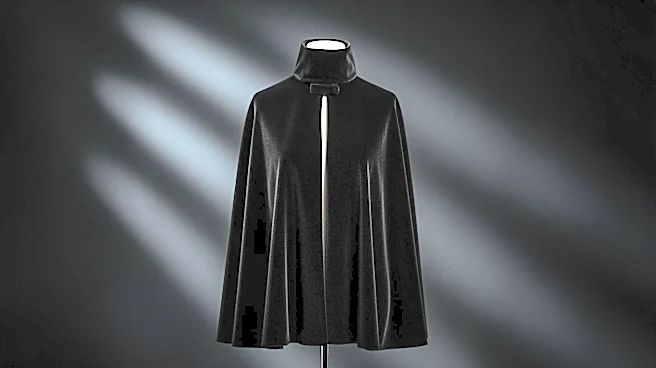





Capes have been a part of human attire for centuries, serving both practical and decorative purposes. This sleeveless garment, which hangs loosely from the neck or shoulders, has seen various transformations throughout history. From ancient military uniforms to modern fashion statements, capes have adapted to meet the needs and tastes of different eras. This article delves into the historical journey of capes, highlighting their functional and stylistic
evolution.
Capes in Ancient and Medieval Times
The origins of capes are somewhat obscure, but they are known to have been part of Ancient Roman military uniforms. These early capes were likely designed for practicality, providing warmth and protection from the elements. As time progressed, capes became more prevalent in medieval Europe, often paired with hoods in garments like the chaperon. During this period, capes were not only functional but also a symbol of status and fashion.
In medieval society, capes were often elaborately decorated, reflecting the wearer's social standing. The use of capes extended beyond the battlefield and into everyday life, where they served as a versatile outer garment. The ability to easily remove or adjust a cape made it a practical choice for various activities, from travel to ceremonial events.
The Cape's Role in Religious and Formal Attire
Capes have also played a significant role in religious and formal attire. In the Catholic Church, clergy members wear a type of cape known as a ferraiolo for formal occasions outside of ritual contexts. Another religious garment, the cope, is a liturgical vestment in the form of a cape, often richly embroidered and used in ceremonial settings.
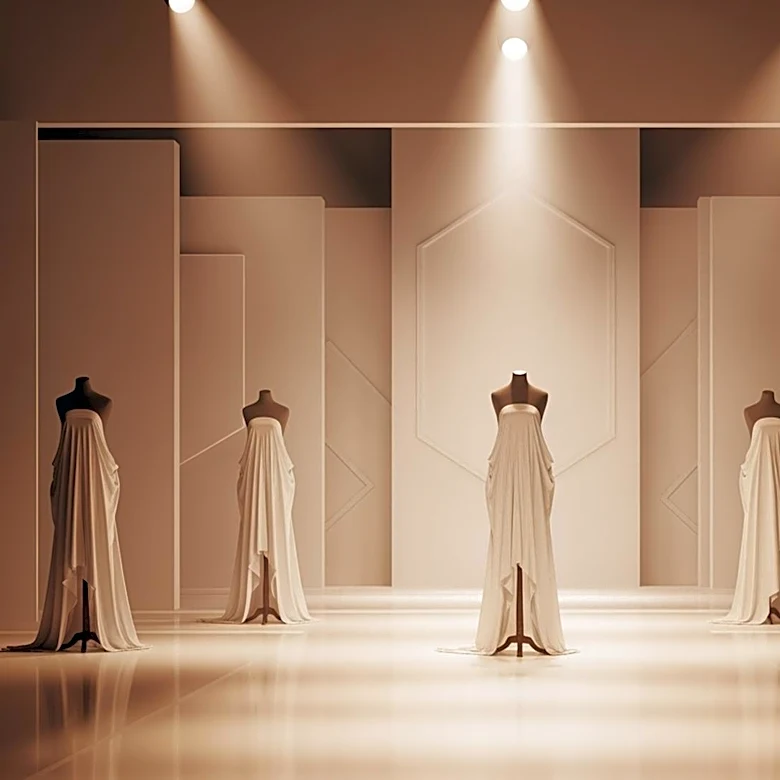
In the realm of formal wear, capes have been a staple in evening attire, particularly for women. They serve both as a fashion statement and a practical accessory, protecting delicate fabrics from the elements. Capes in formal settings can range from short, fur-trimmed garments to full-length cloaks made of luxurious materials like velvet and silk.
Modern Uses and Symbolism of Capes
Today, capes continue to be a part of fashion, often seen on runways and in high-end fashion collections. They are used to create dramatic silhouettes and add a touch of elegance to an outfit. Beyond fashion, capes are also associated with superheroes in popular culture, symbolizing power and heroism.
In addition to their aesthetic appeal, capes remain functional in certain professions. For example, they are used in military and police uniforms as rainwear, providing protection from harsh weather conditions. The enduring presence of capes in various aspects of life underscores their versatility and timeless appeal.