





The journey of light through the visual system is a remarkable process that transforms simple light waves into the rich tapestry of visual perception. This journey involves a series of complex steps, each crucial for constructing the images we see. From the moment light enters the eye to its interpretation in the brain, the visual system works tirelessly to provide us with a coherent view of the world. This article delves into the stages of this journey and
the roles played by different components of the visual system.
Capturing Light: The Eye's Optical System
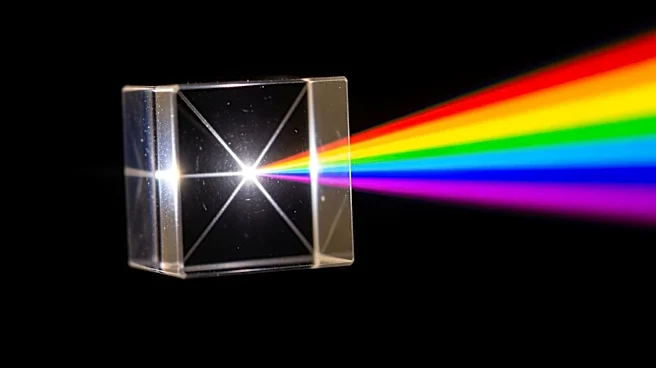
The journey begins when light enters the eye through the cornea, the transparent front layer that helps focus light. The cornea, along with the lens, bends the light to project a focused image onto the retina. This optical system is essential for forming clear images, as it adjusts to different lighting conditions and distances.
The lens is particularly important for fine-tuning focus. It changes shape to accommodate objects at varying distances, a process known as accommodation. This ability allows us to shift our focus from a distant mountain to a nearby book with ease. The precision of the optical system is crucial for capturing detailed images that the brain can later interpret.
Transducing Light: The Retina's Role
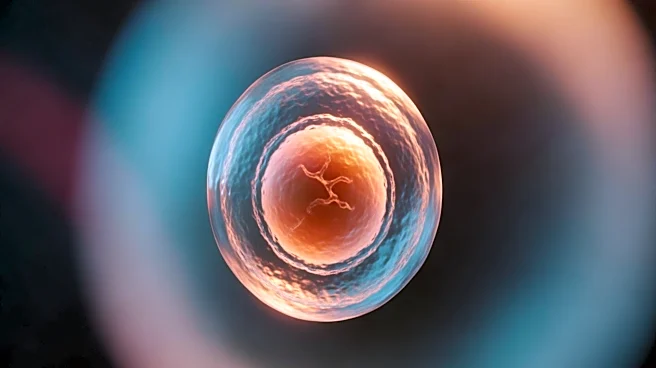
Once the light is focused onto the retina, it encounters a layer of photoreceptor cells known as rods and cones. These cells are responsible for converting light into electrical signals, a process called transduction. Rods are highly sensitive to low light levels and are essential for night vision, while cones are responsible for detecting color and fine details in bright light.
The retina's ability to transduce light into electrical signals is the first step in transforming light into visual perception. These signals are then relayed to the brain via the optic nerve, where further processing occurs.
Interpreting Signals: The Brain's Visual Cortex
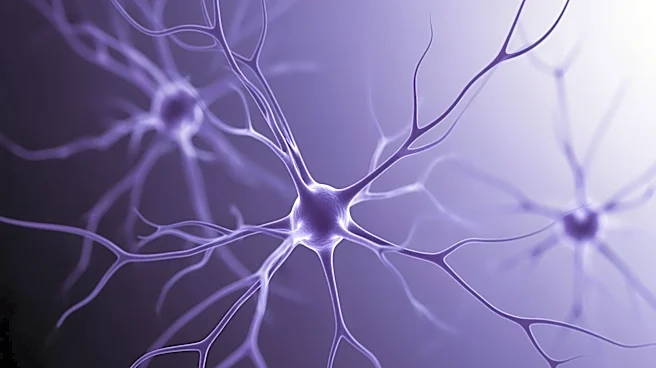
The final stage of the journey takes place in the brain, where the visual cortex interprets the electrical signals received from the retina. This area of the brain is responsible for constructing a coherent image from the raw data, allowing us to perceive shapes, colors, and motion.
The visual cortex works in conjunction with other brain regions to integrate visual information with other sensory inputs. This integration is crucial for tasks such as recognizing faces, navigating environments, and responding to visual stimuli. The brain's ability to process and interpret visual information is what ultimately allows us to experience the world in all its visual complexity.
In summary, the journey of light through the visual system is a complex and fascinating process. From the initial capture of light by the eye to its interpretation in the brain, each step is essential for transforming light into the vivid images we perceive. Understanding this journey provides insight into the intricate workings of the visual system and the marvel of sight.