

Harold Arlin's name is synonymous with the dawn of baseball radio broadcasting. As the first person to announce a Major League Baseball game on the radio, Arlin played a crucial role in popularizing the sport through this new medium. His pioneering efforts not only changed how fans experienced baseball but also set the stage for future developments in sports broadcasting.
The Historic First Broadcast
On August 5, 1921, Harold Arlin made history by announcing a baseball game between
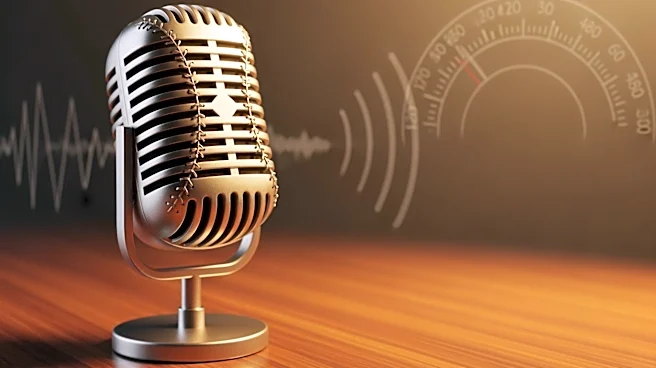
the Pittsburgh Pirates and the Philadelphia Phillies. Working for Westinghouse's KDKA, the first commercial radio station in the United States, Arlin used a converted telephone as a microphone to call the game from a box seat at Forbes Field. This innovative approach marked the beginning of baseball's relationship with radio.
Arlin's broadcasts captivated audiences, drawing record numbers of fans to Forbes Field. His ability to convey the excitement of the game through radio waves demonstrated the medium's potential to enhance fan engagement. As a result, radio quickly became an essential tool for sports fans, allowing them to experience games in real-time.
Impact on Baseball and Broadcasting
Harold Arlin's contributions to baseball broadcasting extended beyond his initial broadcast. His work helped establish radio as a viable platform for sports coverage, paving the way for networks like CBS and NBC to expand their reach. By the end of the 1920s, radio had become a staple of baseball culture, with fans relying on broadcasts to follow their favorite teams.
Arlin's pioneering efforts also influenced the broader landscape of sports broadcasting. His success demonstrated the power of radio to connect fans with the game, encouraging other sports to explore similar opportunities. As a result, radio became a popular medium for sports coverage, with baseball leading the way.
Legacy and Influence
Harold Arlin's legacy in baseball broadcasting is undeniable. His innovative approach to announcing games set the standard for future broadcasters, inspiring generations of announcers to follow in his footsteps. Arlin's work not only changed how fans consumed baseball but also contributed to the sport's growth and popularity.
Today, Arlin is remembered as a trailblazer in sports broadcasting, whose contributions helped shape the industry. His impact on baseball and radio continues to be felt, as the medium remains a vital part of the sport's culture. Arlin's pioneering spirit serves as a reminder of the power of innovation and its ability to transform the way we experience the world.