

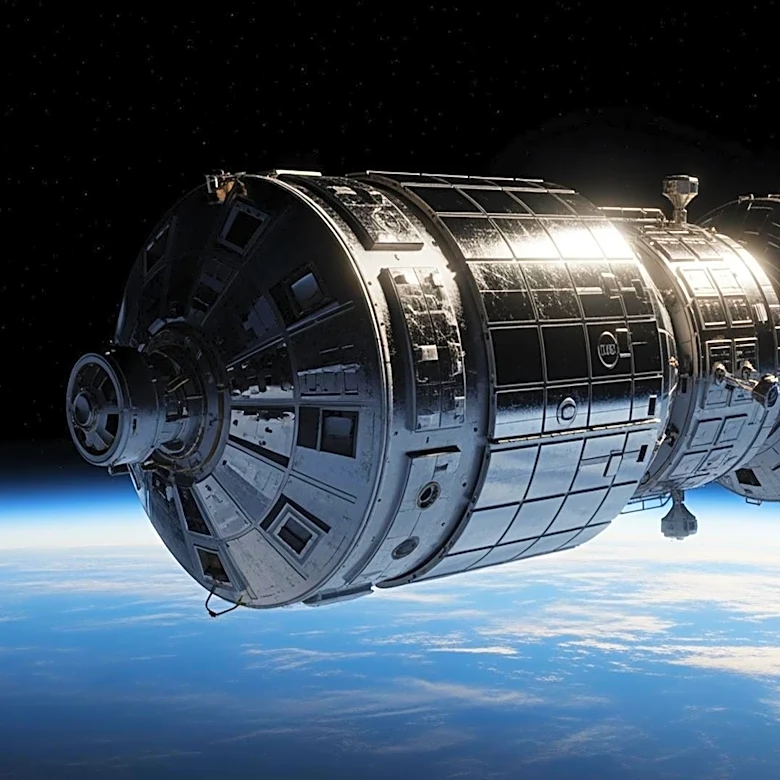





Skylab, the first American space station, played a pivotal role in shaping the future of space exploration. Launched in 1973, it served as a platform for scientific research and a testbed for long-duration human spaceflight. Skylab's legacy extends beyond its immediate achievements, influencing the design and operation of subsequent space stations, including the International Space Station (ISS). This article explores Skylab's contributions to space exploration and its lasting
impact on future space stations.
Pioneering Long-Duration Space Missions
One of Skylab's most significant contributions was its demonstration of long-duration human spaceflight. The three crewed missions to Skylab, lasting 28, 59, and 84 days respectively, set new records for time spent in space. These missions provided valuable insights into the physiological and psychological effects of extended space travel on astronauts.
The data collected from Skylab's missions informed the design of future space stations, emphasizing the importance of habitability and crew comfort. Skylab's success in supporting long-duration missions laid the groundwork for the development of the ISS, which continues to host astronauts for extended periods.
Advancements in Space Station Design
Skylab's design and operation provided critical lessons for future space stations. The station's modular construction, with separate areas for living, working, and conducting experiments, influenced the design of subsequent space habitats. Skylab's use of solar panels for power generation set a precedent for future stations, including the ISS, which relies on solar energy.
The experience gained from Skylab's missions also highlighted the importance of in-space repairs and maintenance. The successful deployment of a sunshade to regulate the station's temperature and the repair of a jammed solar panel demonstrated the feasibility of conducting complex repairs in space. These lessons were crucial in developing the ISS's maintenance protocols and ensuring its long-term operation.
Skylab's Scientific Contributions
Skylab was a hub for scientific research, conducting over 2,000 hours of experiments in various fields, including solar physics, Earth observation, and life sciences. The station's Apollo Telescope Mount provided unprecedented views of the Sun, capturing solar flares and other phenomena that were previously impossible to observe.
The scientific data collected by Skylab's missions contributed to our understanding of space and Earth's environment. These findings informed future research conducted on the ISS and other space platforms, highlighting the importance of space stations as scientific laboratories.
In conclusion, Skylab's legacy is evident in the design and operation of future space stations. Its pioneering missions demonstrated the feasibility of long-duration spaceflight, advanced our understanding of space science, and provided valuable lessons for the development of the ISS. Skylab's contributions continue to influence space exploration, serving as a foundation for future endeavors in human spaceflight.