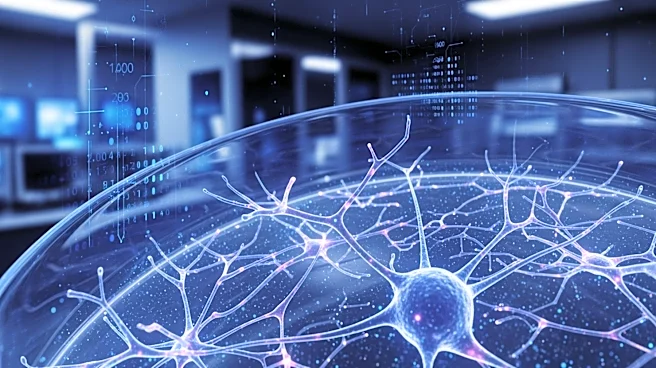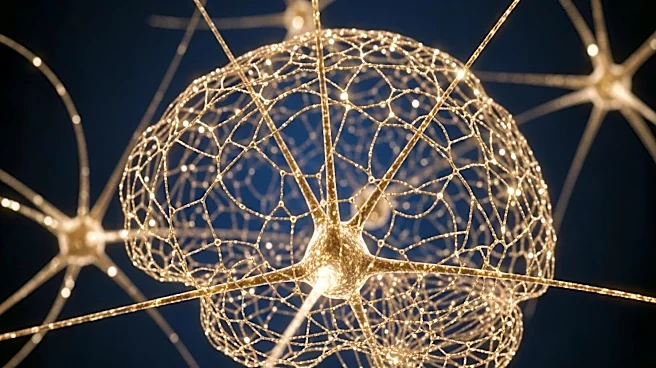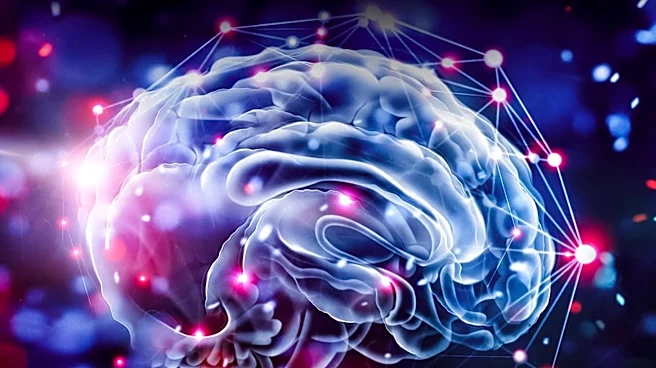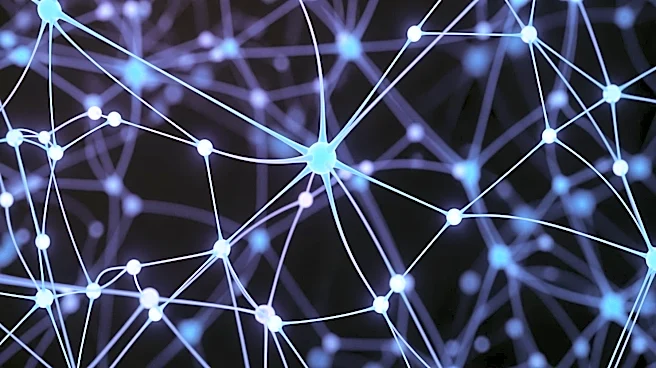






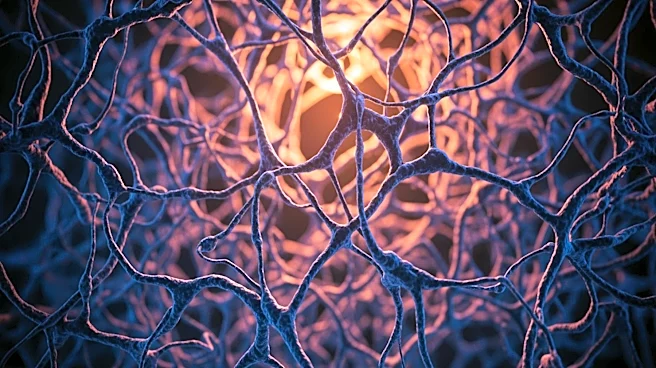

Neuroplasticity, also known as neural plasticity, is a fascinating concept that highlights the brain's ability to reorganize itself by forming new neural connections. This adaptability is crucial for learning, memory, and recovery from brain injuries. The brain's capacity to change and adapt throughout life underscores its dynamic nature, allowing it to function in ways that differ from its prior state.
Understanding Neuroplasticity
Neuroplasticity refers to the brain's ability
to reorganize and rewire its neural connections. This process can occur in response to learning new skills, experiencing environmental changes, recovering from injuries, or adapting to sensory or cognitive deficits. The changes range from individual neuron pathways making new connections to systematic adjustments like cortical remapping or neural oscillation. This adaptability highlights the ever-evolving nature of the brain, even into adulthood.
Historically, neuroscientists believed that neuroplasticity was limited to childhood. However, research in the latter half of the 20th century showed that many aspects of the brain exhibit plasticity throughout adulthood. The developing brain exhibits a higher degree of plasticity than the adult brain, but activity-dependent plasticity can have significant implications for healthy development, learning, memory, and recovery from brain damage.
Mechanisms of Neuroplasticity
Neuroplasticity involves various mechanisms, including structural and functional changes in the brain. Structural neuroplasticity refers to the brain's ability to physically change its anatomical structure through alterations and new developments as a result of external stimuli or damage. This process typically involves changes to existing neural circuits, such as the creation of new dendritic spines, axonal sprouting, and neurogenesis.
Functional neuroplasticity, on the other hand, refers to the brain's ability to alter and adapt the functional properties of networks of neurons. This can occur through homologous area adaptation, map expansion, cross-modal reassignment, and compensatory masquerade. These changes allow humans to adapt to everyday life and play an important role in learning and memory.
Applications and Implications
The concept of neuroplasticity has significant implications for various fields, including rehabilitation and therapy. For instance, neuroplasticity is gaining popularity as a theory that explains improvements in functional outcomes with physical therapy post-stroke. Rehabilitation techniques such as constraint-induced movement therapy, functional electrical stimulation, treadmill training with body-weight support, and virtual reality therapy are supported by evidence suggesting cortical reorganization as the mechanism of change.
Moreover, neuroplasticity is central to theories of memory and learning, as it is associated with experience-driven alteration of synaptic structure and function. Understanding the mechanisms of neuroplasticity can lead to new treatments for learning and memory pathological conditions, as well as provide insights into the brain's ability to recover from injuries and adapt to new experiences.