





The julienne cut, a staple in culinary arts, has a rich history that dates back centuries. Known for its precision and elegance, this technique has evolved over time, becoming a fundamental skill in kitchens around the world. The history of julienning offers insight into its enduring popularity and its role in shaping modern culinary practices.
Origins of the Julienne Cut
The first known use of the term "julienne" in print was in the 1722 edition of François Massialot's "Le Cuisinier
Royal et Bourgeois." This early reference highlights the technique's long-standing presence in French cuisine. Despite its historical significance, the exact origin of the term remains a mystery. Some speculate that it may be derived from French names like Jules or Julien, but no definitive evidence supports this theory.
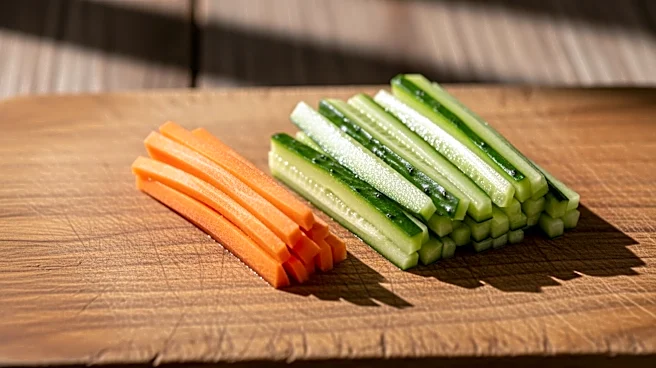
The julienne cut is also referred to as the "allumette" or "French cut," emphasizing its roots in French culinary tradition. This technique involves cutting food into long, thin strips, similar to matchsticks, and is commonly applied to vegetables such as carrots, celery, and potatoes.
Evolution and Influence
Over the years, the julienne cut has evolved from a simple technique to a symbol of culinary precision and artistry. Its influence extends beyond French cuisine, impacting culinary practices worldwide. The technique's precision ensures even cooking and enhances the texture and presentation of dishes, making it a valuable skill for chefs.
The julienne cut's versatility is evident in its application across various cuisines. For instance, in Korean cuisine, julienned cucumbers are used in naengmyeon, a cold noodle dish. This demonstrates the technique's adaptability and its ability to enhance the visual and sensory appeal of dishes.
Modern Applications
In contemporary cooking, the julienne cut is used not only for its practical benefits but also for its aesthetic appeal. Julienned vegetables are often used as garnishes, adding a touch of elegance to dishes. They are also integral to specific recipes, such as céléris remoulade, where celery is julienned to create a distinctive texture and flavor profile.
The technique's enduring popularity is a testament to its effectiveness and versatility. By mastering the julienne cut, chefs can create a variety of textures and presentations, showcasing the interconnectedness of culinary skills. As a result, julienning remains a fundamental technique in both professional kitchens and home cooking.
In summary, the history of julienning reflects its significance in the culinary world. From its origins in French cuisine to its modern applications, the julienne cut continues to be a vital skill for chefs, enhancing both the visual and sensory experience of food.