







Biscayne National Park, established in 1980, is not only a natural wonder but also a site of historical significance. The park is home to six historic places listed on the National Register of Historic Places, each offering a glimpse into the past. This article explores these historic sites and their importance.
The Jones Family Historic District
One of the notable historic sites within Biscayne National Park is the Jones Family Historic District. This area is significant for its connection
to the early settlers of the region. The Jones family played a crucial role in the development of the area, and their homestead offers insights into the lifestyle and challenges faced by early inhabitants.
The district includes structures and artifacts that reflect the agricultural practices and daily life of the Jones family. Visitors can explore the remnants of the homestead and learn about the family's contributions to the local community. The preservation of this site helps maintain the cultural heritage of Biscayne National Park.
Offshore Reefs Archeological District
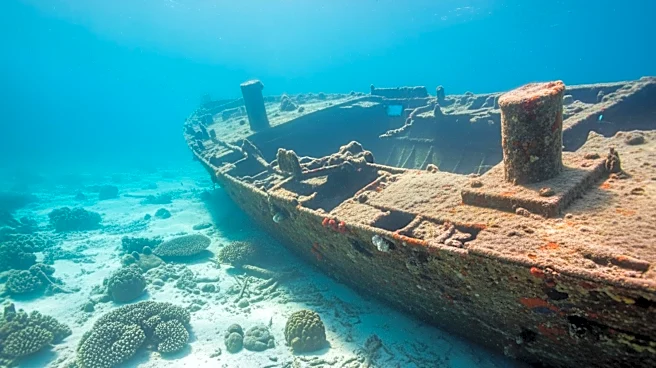
Another important site is the Offshore Reefs Archeological District. This area is rich in underwater archaeological resources, including shipwrecks and artifacts from various periods. The district provides a unique opportunity to study the maritime history of the region and the interactions between different cultures.
The shipwrecks within the district are particularly fascinating, offering clues about the trade routes and naval activities of the past. These underwater sites are protected to ensure their preservation for future research and education. The archeological district highlights the historical significance of Biscayne National Park beyond its natural beauty.
Populo and the Spanish Plate Fleet Shipwrecks
The Populo site is part of the 1733 Spanish Plate Fleet Shipwrecks, a collection of shipwrecks that occurred during a hurricane. These shipwrecks are a testament to the perilous nature of maritime travel in the 18th century. The artifacts recovered from these sites provide valuable information about the Spanish colonial period and the trade networks of the time.
The preservation of these shipwrecks is crucial for understanding the historical context of Biscayne National Park. Efforts are made to protect these underwater treasures from damage and looting, ensuring that they remain accessible for study and appreciation.
Biscayne National Park's historic sites offer a rich tapestry of history, blending natural beauty with cultural heritage. These sites are integral to the park's identity, providing visitors with a deeper understanding of the area's past.