



Concordia Hall, also known as Concordia Opera House, was more than just a music venue in Baltimore, Maryland. Founded in 1866 by German immigrants, it became a vital cultural hub for the city's German community. Through its diverse events and performances, Concordia Hall fostered a sense of community and cultural identity among immigrants, playing a crucial role in the social fabric of Baltimore.
A Gathering Place for German Culture
The establishment of Concordia Hall in 1866 was a significant
milestone for the German immigrant community in Baltimore. Located on Eutaw Street, the hall provided a space where Germans could gather, celebrate their heritage, and engage in cultural activities. It was a place where the community could come together to enjoy music, theater, and lectures, all of which were integral to maintaining their cultural identity in a new country.
One of the hall's most notable events was the reading by Charles Dickens in 1868. This event attracted a large audience and demonstrated the hall's ability to host prominent cultural figures. It also highlighted the venue's role in promoting cultural exchange and intellectual engagement within the community. By hosting such events, Concordia Hall helped to bridge the gap between the immigrant community and the broader cultural landscape of Baltimore.
The Rise of Yiddish Theater
Concordia Hall played a pivotal role in the development of Yiddish theater in Baltimore. In the mid-1880s, Boris Thomashefsky, a renowned Yiddish actor, performed what was likely the first Yiddish theater production in the city at Concordia Hall. This performance marked a significant moment in the cultural history of Baltimore, as it introduced Yiddish theater to the local community and provided a platform for Jewish artists to showcase their talents.
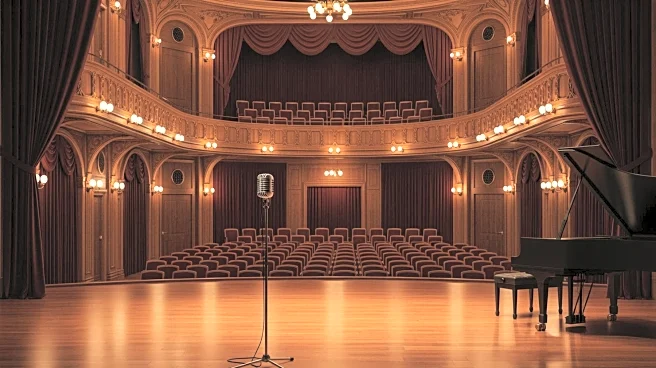
Thomashefsky's description of Concordia Hall in his autobiography highlights the venue's grandeur and importance. He described the hall as a beautiful space with more than a thousand seats, decorated in gold and red velvet. The opulent setting contributed to the hall's reputation as a prestigious venue for cultural events, attracting audiences from across the city.
The Enduring Legacy of Concordia Hall
Although Concordia Hall was destroyed by fire in 1891, its legacy continues to resonate in Baltimore's cultural history. The hall's significance extended beyond its physical presence, as it represented the contributions of German immigrants to the city's cultural and social life. Concordia Hall served as a testament to the power of community and the importance of cultural exchange in shaping the identity of a city.
Today, the story of Concordia Hall remains an integral part of Baltimore's rich history, highlighting the enduring influence of immigrant communities in the United States. Through its diverse events and performances, Concordia Hall fostered a sense of community and cultural identity among German immigrants, leaving a lasting impact on the city's cultural landscape.