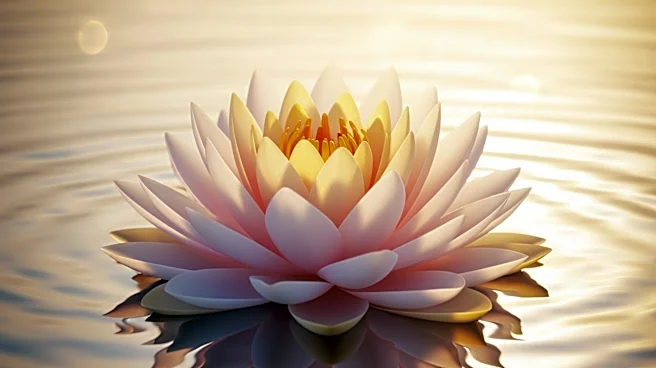

The lotus position, or Padmasana, is more than just a physical posture in yoga; it is a profound symbol of spiritual enlightenment. Originating from ancient India, this cross-legged sitting pose is deeply
embedded in the meditation practices of Hindu, Buddhist, and Jain traditions. The lotus position is not only a physical exercise but also a representation of growth, purity, and spiritual awakening, much like the lotus flower itself, which rises from the mud to bloom beautifully above the water.
The Symbolism of the Lotus
In many Asian cultures, the lotus flower is a powerful symbol of growth towards perfection and enlightenment. The flower's journey from the muddy depths to the water's surface is seen as a metaphor for spiritual awakening. In the context of the lotus position, this symbolism is carried over to the practice of meditation. The pose is named after the lotus flower, with "Padma" meaning lotus and "Asana" meaning posture or seat in Sanskrit. This connection highlights the pose's role in helping practitioners rise above the distractions of the physical world to achieve a higher state of consciousness.
The lotus position is also known as the "vajra position" in Chinese and Tibetan Buddhism, further emphasizing its spiritual significance. The vajra, or thunderbolt, symbolizes indestructibility and spiritual power, qualities that are cultivated through meditation in the lotus position. This posture is not just about physical flexibility but also about mental and spiritual discipline.
Depictions in Religious Art
The lotus position is prominently featured in religious art across various cultures. In Buddhism, statues of Gautama Buddha often depict him seated in the lotus position, sometimes enthroned on a lotus flower. This imagery reinforces the association of the pose with enlightenment and spiritual purity. Similarly, in Hinduism, deities like Shiva are frequently shown meditating in Padmasana, underscoring the pose's importance in achieving a meditative state.
In Jainism, the Tirthankaras, or spiritual teachers, are also represented in the lotus posture. These depictions serve as a reminder of the pose's role in facilitating deep meditation and spiritual insight. The lotus position's presence in art highlights its enduring significance as a symbol of spiritual aspiration and achievement.
The Lotus Position in Western Culture
In recent years, the lotus position has transcended its traditional roots to become a symbol of healthy living and well-being in Western culture. As yoga and meditation have gained popularity, the pose has been embraced as a representation of balance and inner peace. Advertisers often use images of the lotus position to convey messages of tranquility and mindfulness, associating it with products ranging from health foods to financial services.
This cultural shift reflects a broader appreciation for the pose's symbolic power. While the lotus position remains a challenging posture for many, its spiritual and cultural significance continues to inspire practitioners around the world to seek enlightenment and inner harmony.