
Turtles are remarkable creatures with unique anatomical and physiological features that have fascinated scientists and nature enthusiasts alike. Their distinctive shell, specialized respiratory system,
and adaptive limbs are just a few of the characteristics that set them apart from other reptiles. This article delves into the anatomy and physiology of turtles, exploring how these features contribute to their survival and adaptability.
The Turtle Shell: A Unique Adaptation
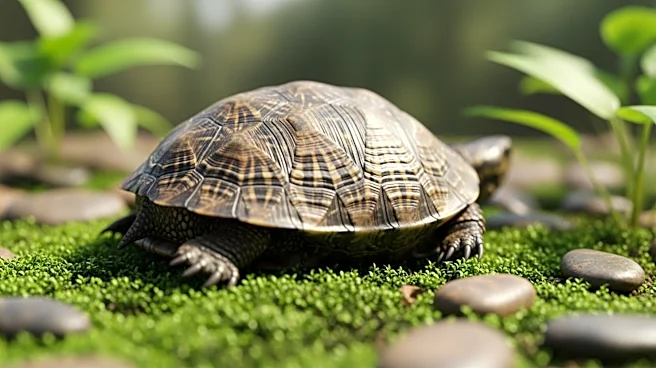
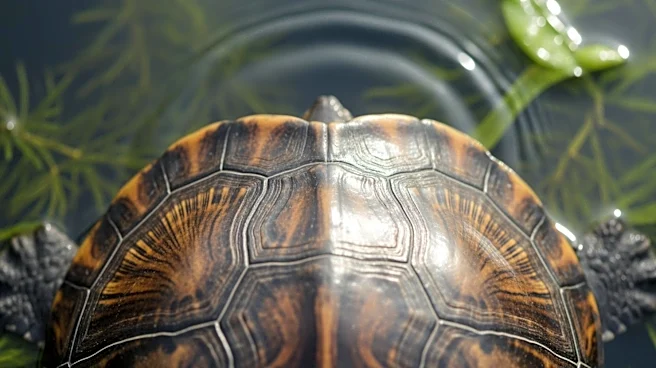
The most distinctive feature of turtles is their shell, which serves as both protection and support. The shell is composed of two main parts: the carapace, which is the domed upper section, and the plastron, the flatter underside. These are connected by lateral extensions, creating a rigid structure that encases the turtle's body.
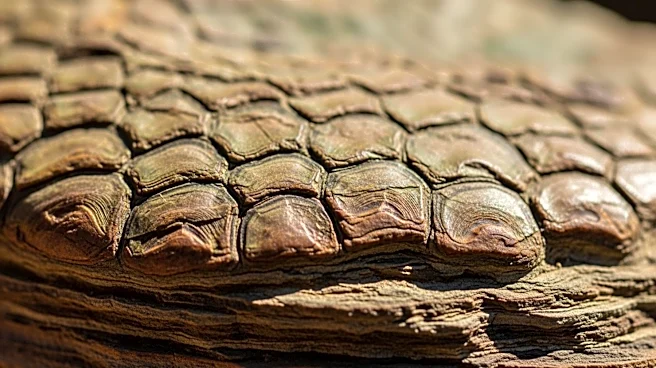
The shell is primarily made of bone, with the carapace fused to the vertebrae and ribs, while the plastron is formed from bones of the shoulder girdle and sternum. The outer surface of the shell is covered in keratinous scutes, similar to human fingernails, providing additional protection. This unique adaptation allows turtles to withstand predation and environmental challenges, contributing to their long evolutionary history.
Respiratory and Circulatory Systems
Turtles have evolved specialized respiratory and circulatory systems to accommodate their rigid shells. Unlike other reptiles, turtles cannot expand their chests to breathe. Instead, they rely on a series of muscles attached to their organs to move air in and out of their lungs. This adaptation allows them to breathe efficiently despite their inflexible shells.
Their circulatory system is also adapted for their unique lifestyle. Turtles have a three-chambered heart with a muscular ridge that enables them to direct blood flow either to the lungs or the rest of the body. This system allows turtles to hold their breath for extended periods, a crucial adaptation for aquatic species that spend much of their time submerged.
Limbs and Locomotion
Turtle limbs are adapted for various environments, from terrestrial to aquatic habitats. Land-dwelling turtles, such as tortoises, have sturdy, column-like legs that support their weight and allow them to move across rugged terrain. In contrast, aquatic turtles have more streamlined limbs with webbed toes or flippers, enabling them to swim efficiently.
Sea turtles, in particular, have highly specialized flippers that allow them to glide through the water with ease. Their front limbs provide the primary thrust for swimming, while the hind limbs act as stabilizers. This adaptation is essential for their long migrations across oceans, showcasing the incredible versatility of turtle anatomy.
Overall, the unique anatomical and physiological features of turtles have enabled them to thrive in diverse environments. Their adaptations have allowed them to survive for millions of years, making them one of the most successful groups of reptiles on the planet.