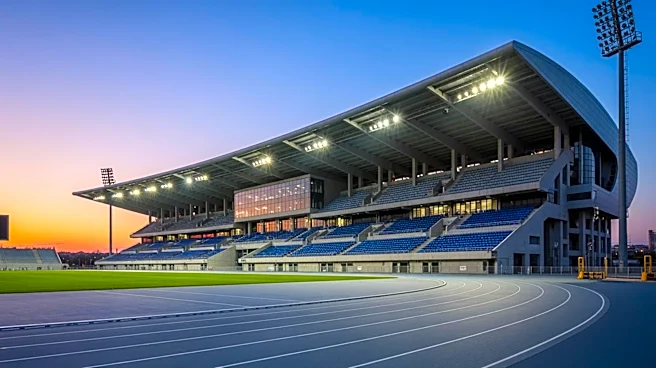

Nagai Stadium, located in Osaka, Japan, has undergone significant transformations since its opening in 1964. Originally built to host events for the 1964 Summer Olympics, the stadium has evolved into a premier
venue for international sports and entertainment. This article delves into the stadium's historical development, highlighting key renovations and expansions that have shaped its current status as a world-class facility.
Early Years and Olympic Legacy
When Nagai Stadium first opened its doors in 1964, it had a seating capacity of 23,000. The stadium's inaugural event was a football match during the 1964 Summer Olympics, marking its entry into the world of international sports. This initial phase set the stage for Nagai Stadium's future as a prominent venue in Japan.
The stadium's Olympic legacy is a testament to its early significance. Hosting events during the Olympics brought global attention to Nagai Stadium, establishing it as a key player in the sports world. This period laid the groundwork for subsequent developments and expansions that would enhance its capacity and facilities.
Renovations and Expansions
In 1996, Nagai Stadium underwent a major renovation to increase its seating capacity to 50,000. This expansion was in preparation for the 52nd National Sports Festival of Japan in 1997, reflecting the growing demand for larger venues to accommodate significant sporting events. The renovation not only increased capacity but also improved the stadium's infrastructure, making it more suitable for hosting international competitions.
Further renovations took place in 2007, ensuring that Nagai Stadium remained up-to-date with modern standards. These updates included enhancements to the stadium's facilities and amenities, solidifying its reputation as a top-tier venue. The renovations were crucial in maintaining the stadium's ability to host high-profile events, such as the 2007 World Championships in Athletics.
Modern-Day Significance
Today, Nagai Stadium is known as Yanmar Stadium Nagai, reflecting its sponsorship by the Yanmar company. It serves as the home ground for Cerezo Osaka, a J. League football club, and hosts matches for the rugby union club NTT DoCoMo Red Hurricanes Osaka. The stadium's modern-day significance is underscored by its role in hosting three matches during the 2002 FIFA World Cup, including a quarter-final.
Beyond sports, Nagai Stadium has become a venue for concerts and cultural events, further diversifying its use. Its ability to adapt and evolve over the years has ensured its continued relevance in the world of sports and entertainment. As Nagai Stadium continues to host a variety of events, it remains a symbol of Osaka's commitment to providing world-class facilities for both athletes and spectators alike.