



The classical planets have left a profound cultural and symbolic impact across various civilizations throughout history. These celestial bodies, visible to the naked eye, were not only significant in astronomy but also played a crucial role in shaping cultural beliefs and practices. The seven classical planets—Sun, Moon, Mercury, Venus, Mars, Jupiter, and Saturn—were revered and studied by ancient cultures, influencing art, mythology, and religion.
Mythological Associations
In many ancient cultures, the classical planets were associated with deities and mythological figures. The Greeks and Romans, for instance, linked each planet to a god, attributing specific characteristics and stories to them. Mercury was associated with Hermes, the messenger god, while Venus was linked to Aphrodite, the goddess of love.
Mars was connected to Ares, the god of war, and Jupiter to Zeus, the king of gods. Saturn was associated with Cronus, the god of time, and the Sun and Moon were linked to Apollo and Artemis, respectively. These mythological associations enriched the cultural narratives of these civilizations, influencing their art, literature, and religious practices.
Artistic and Symbolic Influence
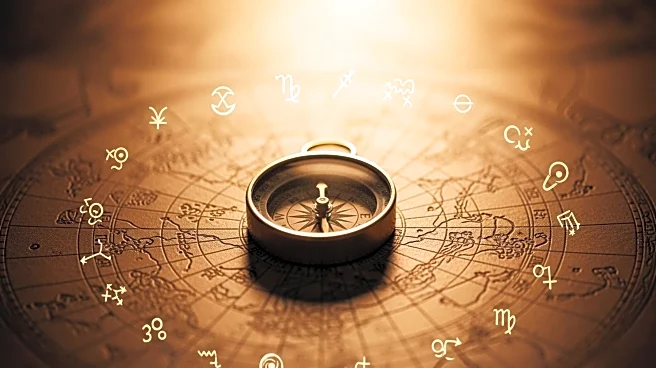
The classical planets have also influenced artistic expression and symbolism. Their representations in art and literature reflect the cultural significance attributed to them. The symbols used to depict these planets, such as Mercury's caduceus and Venus's mirror, have become iconic, appearing in various forms of artistic expression.
These symbols are not only artistic but also carry deep cultural meanings, representing the traits and stories associated with each planet. The influence of classical planets can be seen in the works of artists and writers who drew inspiration from their mythological and astrological significance.
Legacy in Modern Culture
The legacy of classical planets continues to be felt in modern culture. Their symbols and associations are still used in astrology, providing insights into personality and cosmic influences. The cultural narratives surrounding these planets have persisted, influencing contemporary art, literature, and spirituality.
The classical planets serve as a bridge between ancient and modern cultures, highlighting the enduring fascination with celestial phenomena. Their impact on cultural beliefs and practices underscores the timeless nature of humanity's quest to understand the universe and our place within it.