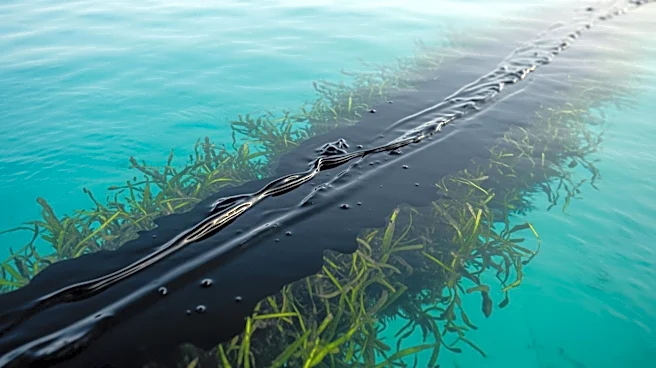






The Ixtoc I oil spill, which occurred in the Gulf of Mexico from June 1979 to March 1980, is remembered not only for its scale but also for its devastating environmental impact. This article delves into the consequences of the spill on marine life and ecosystems, highlighting the challenges faced in mitigating its effects.
Impact on Marine Life
The Ixtoc I oil spill had a catastrophic impact on marine life in the Gulf of Mexico. The oil released into the ocean spread over
a vast area, affecting a wide range of species. Seabirds were particularly vulnerable, as oil coated their feathers, reducing their insulating ability and buoyancy. This exposure often led to hypothermia, drowning, or death from ingestion of the toxic oil while preening.
Fish and marine mammals were also severely affected. The oil contaminated the water, leading to a decline in fish populations and affecting the food chain. Marine mammals, such as dolphins and whales, faced health issues due to the ingestion and inhalation of oil, which could cause internal damage and impair their ability to reproduce. The spill disrupted the delicate balance of the marine ecosystem, with long-term consequences for biodiversity in the region.
Effects on Coastal Ecosystems
The oil spill did not only affect marine life but also had significant repercussions for coastal ecosystems. The oil reached the shores of Texas, where it coated beaches and marshlands, causing extensive damage to these habitats. The presence of oil in these areas led to the death of plants and animals, disrupting the ecological balance and affecting the livelihoods of local communities dependent on fishing and tourism.
The cleanup efforts were challenging and time-consuming, as the oil had penetrated deep into the sand and sediment. The use of chemical dispersants and other cleanup methods had mixed results, with some techniques causing further harm to the environment. The spill highlighted the need for more effective and environmentally friendly cleanup technologies to mitigate the impact of future oil spills.
Long-term Environmental Implications
The Ixtoc I oil spill had long-term environmental implications that extended beyond the immediate aftermath of the disaster. The spill served as a stark reminder of the vulnerability of marine and coastal ecosystems to oil pollution and the need for improved oil spill response strategies. It prompted a reevaluation of existing practices and spurred research into more effective response technologies.
The lessons learned from the Ixtoc I spill continue to inform current environmental policies and practices. The disaster underscored the importance of rigorous safety measures and the need for ongoing research and development in oil spill prevention and response. The Ixtoc I spill remains a significant case study in the history of environmental disasters, highlighting the need for continued vigilance and innovation in protecting our oceans and coastlines.