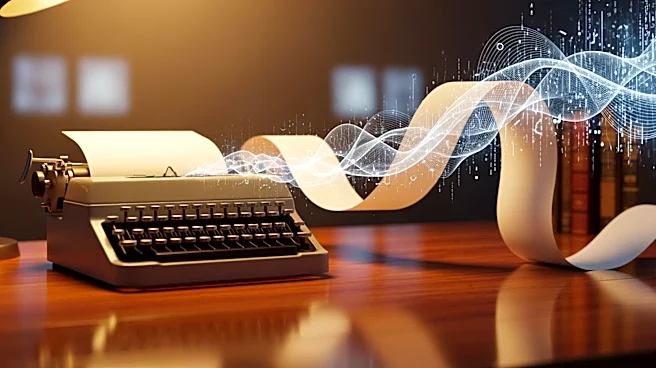






Serial literature has been a significant part of the literary world, evolving over centuries to adapt to changing technologies and reader preferences. This format, which involves publishing a larger work in smaller, sequential installments, has its roots in the 17th century and has undergone numerous transformations. From its early days in periodicals to its resurgence in digital formats, serial literature continues to captivate audiences worldwide.
Early Beginnings and Popularization
The concept of serial literature began to take shape with the advent of moveable type in the 17th century. During this period, publishers sought to make literature more accessible by releasing large works in affordable installments known as fascicles. This approach allowed publishers to test the popularity of a work without committing to a full print run. If successful, these installments would later be compiled into bound volumes, ensuring a wider distribution.
The 19th century marked a significant surge in the popularity of serial literature, particularly in Victorian Britain. This era saw a rise in literacy rates and technological advancements in printing, which made serial publications more feasible. Charles Dickens's "The Pickwick Papers," first published in 1836, is often credited with establishing the viability of the serial format. Other notable authors, such as Wilkie Collins and Anthony Trollope, also embraced this format, contributing to its widespread appeal.
Global Expansion and Cultural Impact
Serial literature was not confined to Britain; it gained traction in various parts of the world. In France, authors like Alexandre Dumas and Eugène Sue mastered the serial genre, with works such as "The Three Musketeers" and "The Count of Monte Cristo" captivating readers. These serials often appeared in newspapers as feuilletons, significantly boosting circulation numbers.
In Russia, the serial format was popularized by publications like "The Russian Messenger," which serialized works by literary giants such as Leo Tolstoy and Fyodor Dostoevsky. Similarly, in Poland, Bolesław Prus's serialized novels became cultural landmarks. The format's adaptability allowed it to thrive in diverse cultural contexts, each adding its unique flavor to the serial tradition.
The Modern Revival of Serial Literature
With the decline of printed periodicals in the late 20th century, serial literature faced challenges. However, the rise of digital media and the internet sparked a revival. Authors began experimenting with online serials, reaching new audiences through platforms like blogs and digital magazines. Notable examples include Stephen King's "The Green Mile" and Michael Chabon's "Gentlemen of the Road."
The digital age has also seen the emergence of web serials and fan fiction, further expanding the reach of serial literature. Platforms like Wattpad and Kindle Vella have democratized the publishing process, allowing aspiring writers to share their serialized stories with a global audience. This modern iteration of serial literature continues to evolve, proving that the format remains as relevant and engaging as ever.