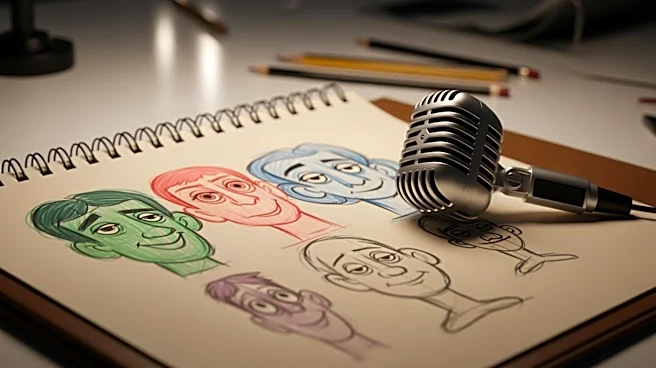






Hank Azaria's involvement with The Simpsons has been a dynamic journey, marked by the evolution of his characters and their roles within the show. Since joining the cast in 1989, Azaria has voiced a wide array of characters, each undergoing their own transformations and developments over the years.
Character Beginnings and Growth
When Hank Azaria first joined The Simpsons, he was tasked with voicing Moe Szyslak, the bartender, a role that would become one of his most iconic. Initially,
Moe's voice was based on Al Pacino's character in Dog Day Afternoon, but Azaria adapted it to fit the show's comedic style. As the series progressed, Moe's character evolved from a simple bartender to a more complex figure, involved in various storylines that showcased his depth and humor.
Similarly, Azaria's portrayal of Chief Wiggum has seen significant growth. Originally voiced as a parody of David Brinkley, Azaria shifted to an Edward G. Robinson impression, which became the character's defining voice. Over the years, Chief Wiggum has been involved in numerous comedic and dramatic plots, allowing Azaria to explore different facets of the character's personality.
Changes and Controversies
As The Simpsons continued to evolve, so did Azaria's characters. One of the most notable changes was the portrayal of Apu Nahasapeemapetilon. Initially, Apu's voice was inspired by Indian and Pakistani convenience store workers, but over time, the character faced criticism for perpetuating stereotypes. In response to the controversy, Azaria stepped away from voicing Apu in 2020, acknowledging the need for more authentic representation.
This decision marked a significant shift in Azaria's approach to voice acting, highlighting the importance of cultural sensitivity and the impact of media representation. Despite the challenges, Azaria's willingness to adapt and evolve his characters demonstrates his commitment to the show's integrity and audience.
Legacy and Influence
Hank Azaria's characters on The Simpsons have left a lasting legacy, influencing both the show and the broader landscape of animated television. His ability to create distinct and memorable voices has set a standard for voice acting, inspiring future generations of actors and creators.
Azaria's work has not only contributed to the show's success but has also shaped the way animated characters are developed and perceived. As The Simpsons continues to entertain audiences worldwide, Azaria's characters remain integral to its charm and appeal, showcasing the power of voice acting in bringing stories to life.