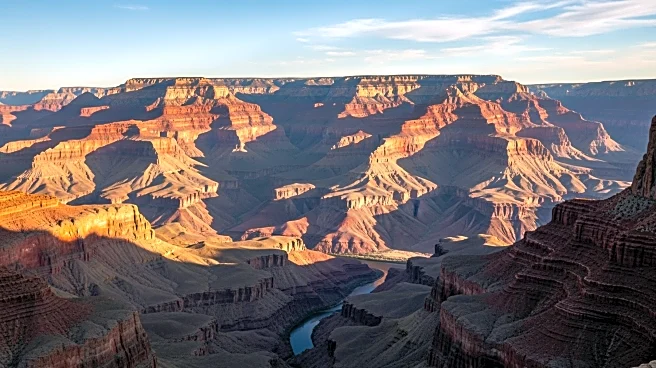




Grand Canyon National Park, located in northwestern Arizona, is a testament to the beauty and grandeur of nature. Its history is rich with efforts to preserve its splendor for future generations. From early exploration to its designation as a national park, the Grand Canyon has been a focal point of conservation and admiration. This article delves into the historical journey of Grand Canyon National Park, highlighting key milestones and the individuals
who played pivotal roles in its preservation.
Early Exploration and Recognition
The Grand Canyon first captured the attention of Americans in the 1880s, following the construction of railroads that made the area more accessible. Pioneers began developing infrastructure and promoting early tourism, which helped spread awareness of the canyon's magnificence. In 1903, President Theodore Roosevelt visited the site and expressed his awe, urging that the canyon remain untouched for future generations. Despite Roosevelt's enthusiasm, the canyon was not immediately designated as a national park.
Efforts to establish the Grand Canyon as a national park began as early as 1882, when Senator Benjamin Harrison introduced a bill to make it the third national park in the United States. Although the bill was unsuccessful, Harrison continued to advocate for the canyon's protection, eventually establishing the Grand Canyon Forest Reserve in 1893. Roosevelt furthered these efforts by creating the Grand Canyon Game Preserve in 1906 and the Grand Canyon National Monument in 1908.
The Path to National Park Status
The journey to national park status was fraught with challenges. Several Senate bills aimed at establishing the Grand Canyon as a national park were introduced and defeated in the early 20th century. It wasn't until the Grand Canyon National Park Act was signed by President Woodrow Wilson on February 26, 1919, that the canyon achieved its status as a national park. This marked a significant victory for the conservation movement, ensuring the protection of the canyon's natural beauty.
The creation of the park helped thwart proposals to dam the Colorado River within its boundaries, preserving the canyon's ecosystem. In 1975, additional areas were incorporated into the park, further expanding its protected lands. The Grand Canyon was designated a World Heritage Site by UNESCO in 1979, solidifying its importance on a global scale.
Celebrating a Century of Preservation
In 2019, Grand Canyon National Park celebrated its 100th anniversary, marking a century of conservation and public enjoyment. The park continues to be a symbol of natural beauty and a testament to the efforts of those who fought to preserve it. Today, the Grand Canyon is part of Region 8, known as the Lower Colorado Basin, and remains a popular destination for millions of visitors each year.
The historical journey of Grand Canyon National Park is a story of perseverance and dedication to preserving one of the world's natural wonders. From early exploration to its establishment as a national park, the Grand Canyon's history is a reminder of the importance of conservation and the impact of visionary leaders like Theodore Roosevelt and Benjamin Harrison.