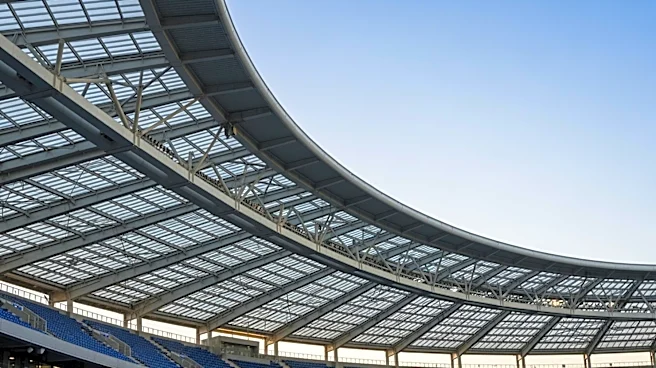

Arena das Dunas, located in Natal, Brazil, is a striking example of modern stadium architecture. Designed by the renowned sports architect Christopher Lee of Populous, the stadium stands as a testament
to innovative design and engineering. Opened in January 2014, it was built on the site of the former Machadão stadium, which was demolished in 2011. The construction of Arena das Dunas was part of a larger urban development project that included plans for a shopping center, commercial buildings, hotels, and an artificial lake.
Design and Construction
The design of Arena das Dunas was conceived by Populous, a global architecture firm known for its expertise in sports venues. The stadium's name, which translates to "Dunes Arena," is inspired by the natural sand dunes that are characteristic of the region. This influence is evident in the stadium's undulating roof structure, which mimics the shape of the dunes. The roof is not only aesthetically pleasing but also functional, providing shade and protection from the elements for spectators.
Construction of the stadium began in 2011 and was completed in 2013, with a total cost of R$ 400 million. The project was praised for its efficient use of resources and innovative design. During the 2014 FIFA World Cup, the stadium's capacity was expanded to accommodate 42,000 spectators, although its regular capacity is 31,375. The venue includes 39 executive suites and a field size of 105 x 68 meters, making it suitable for a variety of events beyond football.
Location and Accessibility
Arena das Dunas is strategically located by the Senador Salgado Filho Avenue, part of the BR-101 highway, which is a major thoroughfare in Natal. This location ensures easy access for both local residents and visitors. The stadium is also served by the Complexo Viário do Quarto Centenário, a multi-lane road network that facilitates smooth traffic flow to and from the venue.
The choice of location was part of a broader strategy to enhance the area's infrastructure and stimulate economic growth. The development of the stadium and its surrounding facilities was expected to attract international visitors and boost local tourism, contributing to the region's economic development.
Impact and Legacy
Since its opening, Arena das Dunas has become a landmark in Natal, symbolizing the city's modernization and growth. The stadium's successful hosting of four matches during the 2014 FIFA World Cup brought international attention to Natal and demonstrated the city's capability to host large-scale events. The project received high praise from FIFA inspectors, further cementing its status as a world-class venue.
The legacy of Arena das Dunas extends beyond sports, as it has become a catalyst for urban development in the area. The stadium and its associated projects have created jobs, improved infrastructure, and enhanced the city's global profile, leaving a lasting impact on the community.