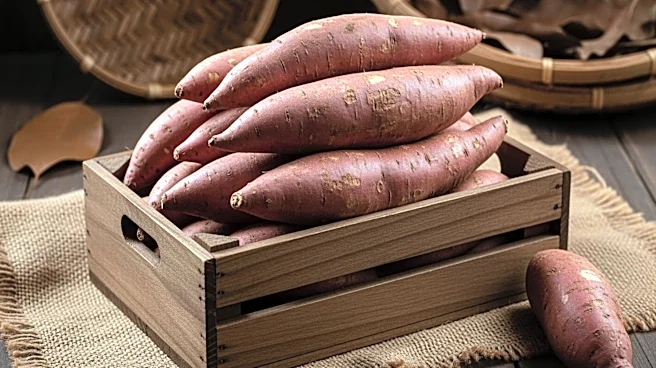








Sweet potatoes are a staple food in many parts of the world, but their storage can be challenging due to their perishable nature. Different regions have developed various techniques to store sweet potatoes effectively. This article explores some of these methods and their effectiveness in preserving this vital crop.
Traditional Storage Methods
In many developing countries, traditional storage methods are still widely used. One common technique is pit storage, where sweet potatoes
are placed in a pit lined with grass and soil. This method helps insulate the tubers from temperature fluctuations and moisture. The pit is often sealed to maintain humidity, but this can lead to carbon dioxide buildup, which accelerates spoilage.
Clamp storage is another traditional method, where sweet potatoes are stacked in a heap and covered with layers of grass and soil. This method is simple and low-cost but offers limited protection against spoilage. Indoor storage, where sweet potatoes are kept in baskets or boxes within a building, is also used. This method provides better protection from pests and physical damage but requires proper ventilation to prevent carbon dioxide accumulation.
Modern Storage Solutions
In developed countries, modern storage solutions have been implemented to extend the shelf life of sweet potatoes. Refrigeration technology allows for precise control of temperature and humidity, creating optimal storage conditions. Sweet potatoes are best stored at temperatures between 54°F and 61°F with a relative humidity of 85-90%. Under these conditions, sweet potatoes can last from five months to a year.
However, refrigeration is not always accessible to subsistence farmers in developing regions. As a result, they often rely on continuous cultivation, leaving tubers in the ground until needed. While this method reduces the need for storage facilities, it is not a long-term solution and can lead to field degradation.
Pretreatment and Pest Management
Pretreatment methods, such as curing and drying, are used to enhance the durability of sweet potatoes in storage. Curing involves exposing tubers to moderately high temperatures to toughen the skin and heal minor damage. Drying reduces moisture content, inhibiting spoilage and metabolic degradation.
Pest management is also crucial in sweet potato storage. The sweet potato weevil is a significant threat, capable of causing substantial yield losses. Simple interventions, such as storing tubers at temperatures below 68°F or dipping them in hot water, can effectively control infestations.
In conclusion, while sweet potato storage presents challenges, various methods have been developed to address these issues. From traditional techniques to modern solutions, these methods play a crucial role in preserving this essential crop.