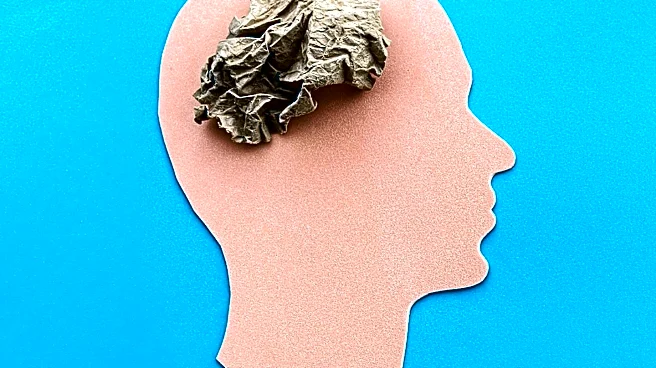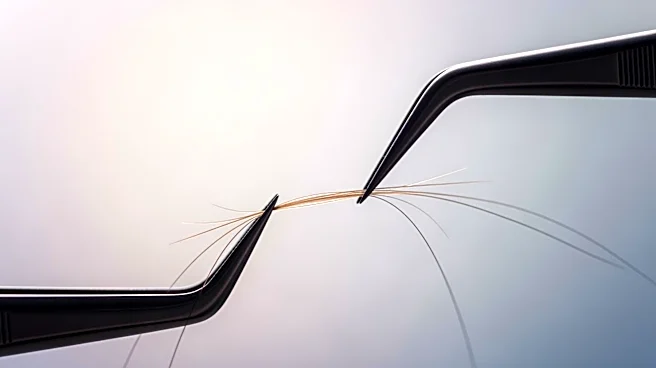








Trichotillomania, often referred to as hair-pulling disorder, is a mental health condition characterized by an irresistible urge to pull out one's own hair. This behavior can lead to noticeable hair loss and significant distress. While the exact cause of trichotillomania remains unclear, it is believed to result from a combination of genetic and environmental factors. The disorder is commonly treated with cognitive behavioral therapy and, in some
cases, medication.
Symptoms and Onset
Trichotillomania typically begins in childhood or adolescence, affecting about 2% of the population. The disorder is more prevalent in females, who are affected about ten times more often than males. Individuals with trichotillomania often experience a sense of tension before pulling their hair and a feeling of relief or gratification afterward. However, not everyone with the disorder reports these sensations, and some may not even be aware of their hair-pulling behavior.
The most common areas for hair pulling include the scalp, eyebrows, and eyelashes, but it can occur anywhere on the body. The behavior can lead to visible hair loss, which may cause embarrassment and social anxiety. People with trichotillomania often go to great lengths to hide their hair loss, using hats, wigs, or makeup to cover bald spots.
Causes and Risk Factors
The exact cause of trichotillomania is not well understood, but it is thought to involve a combination of genetic, environmental, and psychological factors. The disorder may run in families, suggesting a genetic component. It is also more common in individuals with obsessive-compulsive disorder (OCD) and may be triggered by stress or anxiety.
Research has shown that people with trichotillomania may have differences in brain structure and function compared to those without the disorder. For example, MRI studies have found that individuals with trichotillomania have more gray matter on average and decreased cerebellar volume. These findings suggest that the disorder may be related to abnormalities in brain regions involved in habit formation and impulse control.
Treatment Options
Cognitive behavioral therapy (CBT) is the most effective treatment for trichotillomania. Habit reversal training, a type of CBT, helps individuals recognize their hair-pulling urges and develop alternative behaviors to manage these impulses. In some cases, medication such as clomipramine, a tricyclic antidepressant, may be prescribed to help reduce symptoms.
Support groups and educational resources can also be beneficial for individuals with trichotillomania, providing a sense of community and understanding. While the disorder can be challenging to manage, many people find that a combination of therapy, medication, and support can lead to significant improvement in their symptoms.