

The New-York Tribune, established in 1841 by Horace Greeley, quickly became a significant force in American journalism. Greeley, a prominent editor and publisher, aimed to create a newspaper that was both trustworthy and straightforward. This article delves into the early years of the Tribune, highlighting its founding principles and initial impact on American society.
Horace Greeley's Vision
Horace Greeley founded the New-York Tribune with a clear vision: to provide a reliable
and honest media source. Before establishing the Tribune, Greeley had already made a name for himself by publishing a weekly newspaper called The New Yorker, which was unrelated to the modern magazine of the same name. He also published the Whig Party's political organ, Log Cabin. In 1841, Greeley merged these operations to create the New-York Tribune, setting the stage for a newspaper that would influence public opinion and political discourse.
Greeley's editorials were known for their moralistic tone and advocacy for social reforms. He championed causes such as pacifism, feminism, and the ideal of the hardworking free laborer. Greeley believed in the power of virtuous citizens to eradicate corruption and promote progress, improvement, and freedom. His editorials were widely reprinted and helped shape the free-labor ideology of the Whigs and the radical wing of the Republican Party.
The Tribune's Early Impact
The New-York Tribune quickly gained a reputation for its comprehensive coverage and influential editorials. By the 1850s, it had achieved a circulation of approximately 200,000, making it the largest daily paper in New York City at the time. The Tribune's reach extended beyond the city, as its editorials were shared and copied by other newspapers, helping to shape national opinion.
During the American Civil War, the Tribune was one of the first Northern papers to send reporters, correspondents, and illustrators to cover the campaigns. This commitment to on-the-ground reporting set a precedent for future war coverage and solidified the Tribune's reputation as a leading newspaper.
Technological Advancements and Growth
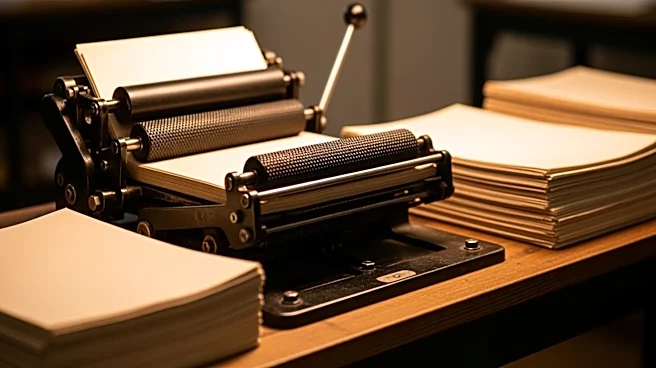
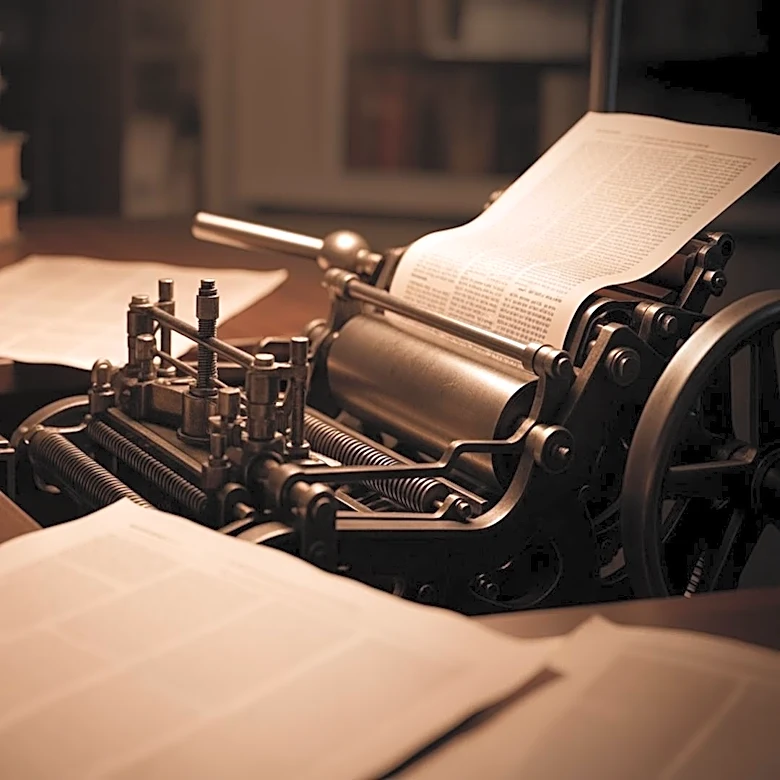
In 1886, the Tribune became the first publication in the world to be printed on a linotype machine, thanks to the support of Whitelaw Reid, who took over after Greeley's death. This technological advancement allowed the Tribune to exceed the standard newspaper size of eight pages while speeding up printing time per copy. As a result, the Tribune could increase its overall number of printed copies, further expanding its influence.
Under the leadership of Reid's son, Ogden Mills Reid, the Tribune merged with the New York Herald in 1924 to form the New York Herald Tribune. This merger marked the end of the Tribune as an independent daily newspaper but ensured its legacy continued in a new form.