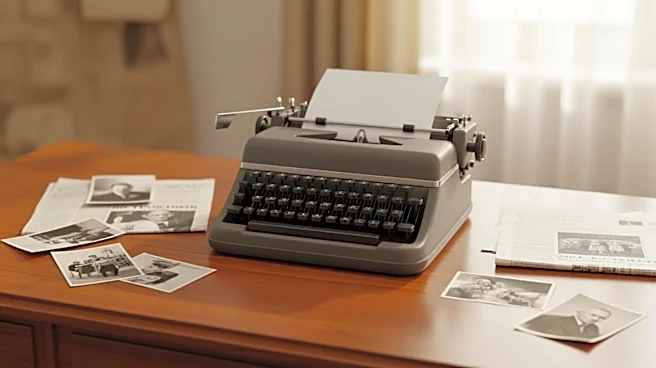








Speed reading has long fascinated those eager to consume information quickly and efficiently. The concept involves techniques designed to increase reading speed while maintaining comprehension. Over the years, speed reading has evolved from a niche skill to a widely recognized practice, thanks in part to key figures like Evelyn Wood, who played a significant role in its popularization.
Early Beginnings and Development
The roots of speed reading can be traced back to the mid-20th century
when educators and psychologists began exploring methods to enhance reading efficiency. The goal was to help individuals process information faster without sacrificing understanding. This period saw the emergence of various techniques aimed at improving reading speed, such as minimizing subvocalization and expanding vision span.
Evelyn Wood, an American educator, was instrumental in bringing speed reading to the forefront. She developed a system known as Evelyn Wood Reading Dynamics, which claimed to significantly increase reading speed while preserving comprehension. Her approach involved using a finger or pointer to guide the eyes along the text, a method that helped readers focus and reduce unnecessary eye movements.
Popularization and Media Attention
The popularity of speed reading surged in the 1960s, largely due to media coverage and endorsements from high-profile individuals. Evelyn Wood's methods gained traction after being featured in major publications like Time magazine. The media's acceptance of her claims, despite some skepticism from educational experts, helped cement speed reading as a valuable skill.
The election of President John F. Kennedy further fueled interest in speed reading. Kennedy, known for his prolific reading habits, reportedly read at 1,200 words per minute. Although he had no formal association with Evelyn Wood, the public perception linked his reading prowess with her techniques, adding credibility to her claims.
Expansion and Commercialization
Evelyn Wood's speed reading business expanded rapidly, with institutes opening across the United States and internationally. The company capitalized on the growing demand for speed reading courses, offering classes in rented offices and franchising the business model. This expansion was supported by aggressive marketing strategies, including endorsements from celebrities and politicians.
Despite facing critiques and challenges, the business continued to thrive, eventually being acquired by larger corporations. The commercialization of speed reading courses made the skill accessible to a broader audience, solidifying its place in educational and professional settings.
Today, speed reading remains a popular skill, with various programs and tools available to help individuals improve their reading speed. The evolution of speed reading techniques reflects a broader trend towards efficiency and productivity in an information-rich world.