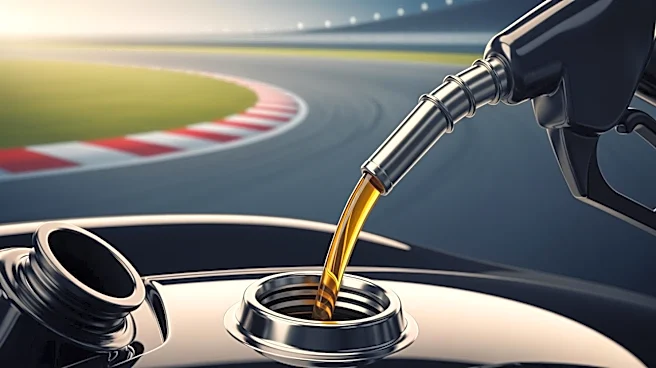



The 2006 Indianapolis 500 was not only a thrilling race but also a significant moment in the history of motorsports due to the introduction of ethanol fuel. This change marked a shift towards more sustainable practices in racing, as all entries were required to use a 10% ethanol and 90% methanol fuel blend. This article explores the reasons behind this change and its impact on the race and the future of the sport.
The Shift to Ethanol
The decision to introduce ethanol
fuel in the 2006 Indianapolis 500 was part of a broader initiative to promote sustainability in motorsports. While this was the first time all entries in the race utilized ethanol fuel, it was not the first instance of ethanol being used in the event. Ethanol had been experimented with in the past, notably by Leon Duray in 1927 and Art Sparks in the late 1930s.
The 2006 race marked the beginning of a two-year roll-out plan to fully integrate ethanol into the IndyCar Series. The use of a 10% ethanol blend was a significant step towards reducing the environmental impact of racing, aligning with global trends towards cleaner energy sources.
Impact on the Race
The introduction of ethanol fuel did not go unnoticed during the 2006 Indianapolis 500. While the focus remained on the thrilling competition on the track, the use of ethanol was a topic of discussion among teams, drivers, and fans. The transition to ethanol was smooth, with no significant issues reported during the race.
The race itself was a testament to the effectiveness of ethanol as a racing fuel. Sam Hornish Jr. won the race, showcasing that performance was not compromised by the new fuel blend. The successful implementation of ethanol in the 2006 race paved the way for its continued use in the series.
A Legacy of Sustainability
The 2006 Indianapolis 500 set a precedent for the use of alternative fuels in motorsports. The successful introduction of ethanol demonstrated the potential for racing to adopt more sustainable practices without sacrificing performance. This change was part of a larger movement within the industry to embrace cleaner energy sources and reduce the environmental impact of racing.
The legacy of the 2006 race continues to influence the sport today, as ethanol remains a key component of the IndyCar Series. The race not only provided thrilling competition but also marked a significant step towards a more sustainable future for motorsports.