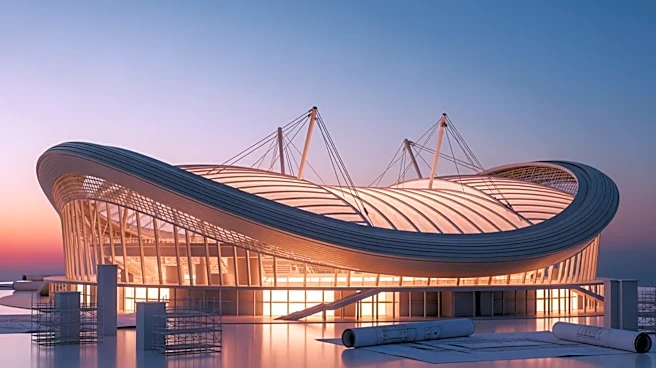

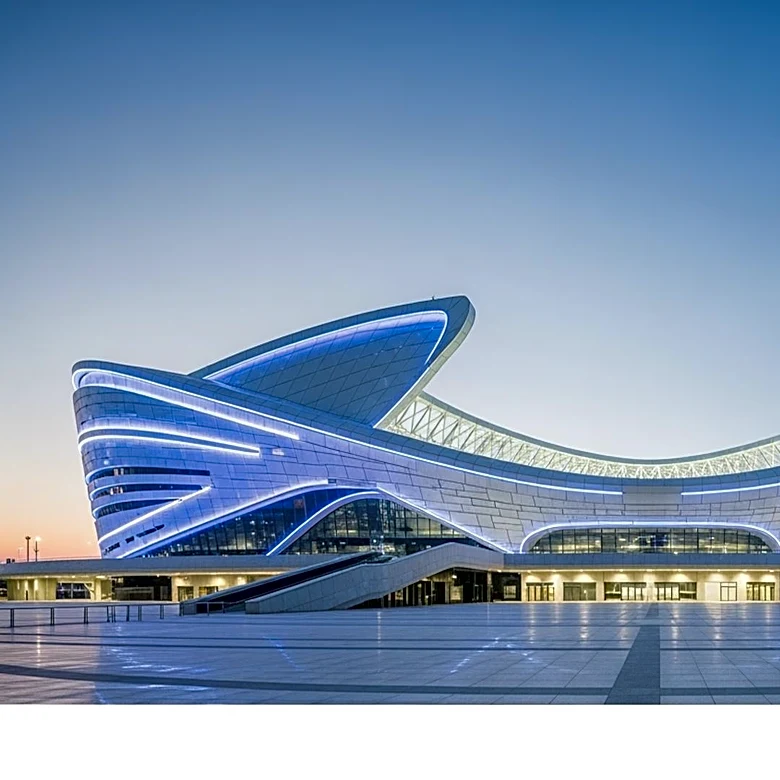







Kaliningrad Stadium, also known as Rostec Arena, is a modern football stadium located on Oktyabrsky Island in Kaliningrad, Russia. Completed in 2018, it was built to host matches for the 2018 FIFA World Cup. The stadium's design and construction were influenced by the Allianz Arena in Germany, showcasing a blend of modern architecture and functionality. This article delves into the architectural design and construction process of this significant
sports venue.
Architectural Inspiration
The design of Kaliningrad Stadium was inspired by the Allianz Arena in Munich, Germany, which is renowned for its innovative architecture and was a venue for the 2006 World Cup. The choice to model Kaliningrad Stadium after such a prestigious arena reflects a desire to create a world-class facility that could accommodate international events. The stadium's design features a two-tier structure with a VIP section, ensuring a premium experience for spectators. The use of modern materials and construction techniques was integral to achieving the desired aesthetic and functional goals.
The architectural firm Wilmotte & Associes, SA, was selected to lead the project, bringing their expertise in creating visually striking and functional sports venues. The design aimed to provide an optimal viewing experience for fans while ensuring the stadium could host a variety of events beyond football, such as concerts and conferences. This versatility was a key consideration in the stadium's design, allowing it to serve as a multipurpose venue for the region.
Construction Challenges and Solutions
Construction of the Kaliningrad Stadium began in 2015 and was completed in 2018, just in time for the World Cup. The project faced several challenges, including the need to build on Oktyabrsky Island, which is prone to flooding. This required additional financial investments and engineering solutions to ensure the stability and safety of the structure. Soil compaction and drainage systems were implemented to address these issues, demonstrating the complexity of building in such a location.
The construction process also involved the development of new infrastructure to support the stadium, including a bridge over the river to improve access. This was crucial for accommodating the influx of visitors during the World Cup and ensuring smooth transportation to and from the venue. Despite these challenges, the project was completed successfully, showcasing the capabilities of modern engineering and project management.
Post-World Cup Usage
After the World Cup, Kaliningrad Stadium became the home of FC Baltika Kaliningrad, replacing the older Baltika Stadium. The seating capacity was initially 35,016 but was planned to be reduced to 25,000 to better suit the needs of the local football club. This transition highlights the stadium's adaptability and its role in promoting sports and entertainment in the region.
The stadium's construction not only provided a venue for international events but also contributed to the local economy by creating jobs and stimulating infrastructure development. As a result, Kaliningrad Stadium stands as a testament to the impact of hosting global sporting events and the lasting legacy they can leave on a community.