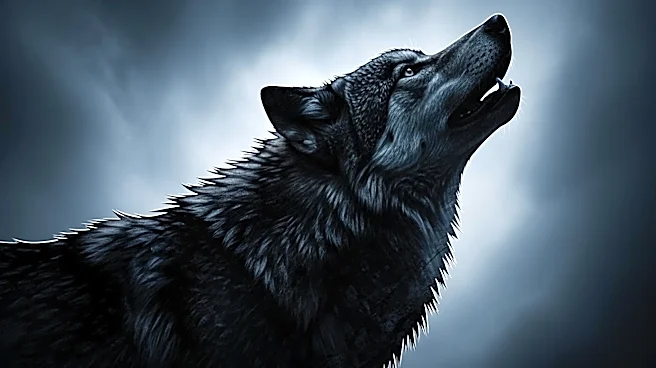






In the fable of "The Three Little Pigs," the Big Bad Wolf stands as a formidable antagonist, representing the challenges and adversities that one might face in life. This character has become an archetype of menace and cunning, appearing in various adaptations and interpretations of the story. This article delves into the role of the Big Bad Wolf as a symbol of adversity and explores its different portrayals in "The Three Little Pigs."
The Archetype of the Menacing Wolf
The Big Bad
Wolf is a classic example of a predatory antagonist, embodying the threats and dangers that lurk in the world. In "The Three Little Pigs," the wolf's attempts to blow down the pigs' houses serve as a metaphor for the challenges that individuals must overcome. The story emphasizes the importance of preparation and resilience, as demonstrated by the third pig's success in building a sturdy brick house that withstands the wolf's attacks.
This archetype of the menacing wolf is not unique to "The Three Little Pigs." Similar characters appear in other tales, such as "Little Red Riding Hood" and "The Wolf and the Seven Young Kids," where the wolf represents a cunning and dangerous force. These stories highlight the universal theme of overcoming adversity, with the wolf serving as a symbol of the obstacles that must be faced and conquered.
Interpretations and Adaptations
Over the years, the Big Bad Wolf has been reimagined in various adaptations of "The Three Little Pigs." Some versions portray the wolf as a sympathetic character, challenging the traditional narrative and encouraging audiences to consider different perspectives. For example, in some adaptations, the wolf's actions are driven by necessity rather than malice, prompting readers to question the nature of villainy and the circumstances that lead to it.
In other adaptations, the wolf's role is expanded to include additional interactions with the pigs, such as attempts to meet them at a turnip field, an apple orchard, and a fair. These variations add depth to the story, allowing for a more nuanced exploration of the characters and their motivations. The wolf's persistent efforts to outsmart the pigs serve as a reminder of the importance of vigilance and resourcefulness in the face of adversity.
The Wolf as a Metaphor for Life's Challenges
Beyond its role as a storybook villain, the Big Bad Wolf serves as a powerful metaphor for the challenges and uncertainties of life. The story of "The Three Little Pigs" teaches readers that success requires hard work, preparation, and the ability to adapt to changing circumstances. The wolf's repeated failures to overcome the third pig's defenses underscore the value of perseverance and determination.
In conclusion, the Big Bad Wolf is more than just a character in a children's fable; it is a symbol of adversity that resonates with audiences across generations. Its various interpretations and adaptations highlight the universal themes of resilience and resourcefulness, making it a timeless figure in the world of storytelling.