





Fluid catalytic cracking (FCC) has undergone significant technological advancements since its inception, making it a vital process in the petroleum refining industry. This article delves into the key innovations that have shaped FCC, focusing on catalyst development, process improvements, and design enhancements.
Catalyst Development
The development of catalysts has been central to the success of FCC. Early catalytic cracking processes used aluminum chloride, but the high
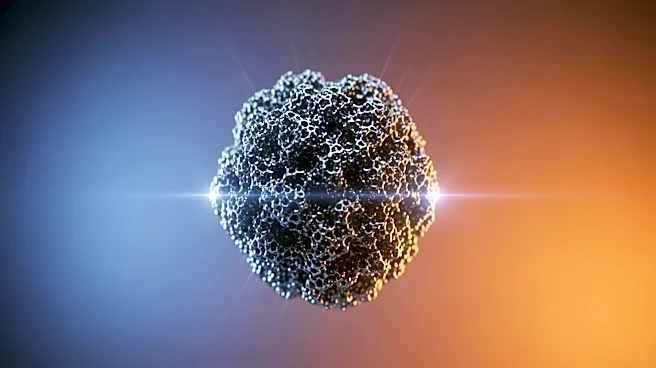
cost limited their widespread use. The breakthrough came with the introduction of zeolite-based catalysts, which offered higher activity and selectivity. These catalysts are fine powders with a specific particle size distribution, designed to maximize the surface area for reactions.
Modern FCC catalysts are composed of crystalline zeolite, matrix, binder, and filler. Zeolite, the active component, can comprise up to 50% of the catalyst by weight. The matrix and binder provide physical strength, while the filler ensures the catalyst's integrity. These advancements have led to catalysts that are more stable at high temperatures, have larger pore sizes, and produce less coke, enhancing the overall efficiency of the FCC process.
Process Improvements
The FCC process has seen numerous improvements over the years, particularly in terms of operational efficiency and environmental impact. One significant advancement is the continuous catalyst regeneration (CCR) process, which allows for the ongoing regeneration of catalysts without shutting down the unit. This innovation has extended the operational life of FCC units and reduced downtime, leading to increased productivity.
Another key improvement is the development of heat-balanced FCC units, which optimize the use of heat generated during the process. By carefully managing the exothermic and endothermic reactions, these units maintain a stable temperature, improving the efficiency of the cracking process and reducing energy consumption.
Design Enhancements
The design of FCC units has evolved to accommodate the latest technological advancements. Modern FCC units are typically configured in either a "stacked" or "side-by-side" arrangement, with the reactor and regenerator housed in separate vessels. The choice of configuration depends on the specific needs of the refinery, with each design offering distinct advantages in terms of space utilization and operational flexibility.
Additionally, the integration of advanced control systems has improved the precision and reliability of FCC operations. These systems monitor key parameters such as temperature, pressure, and catalyst activity, allowing for real-time adjustments to optimize performance.
In summary, the innovations in fluid catalytic cracking have significantly enhanced its efficiency and effectiveness. From catalyst development to process improvements and design enhancements, these advancements continue to drive the evolution of FCC, ensuring its critical role in modern refining operations.