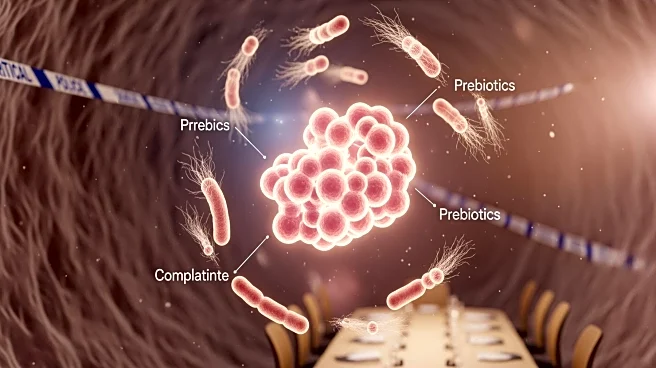

Prebiotics are non-digestible food ingredients that play a crucial role in promoting the growth and activity of beneficial bacteria in the gut. This article delves into the nature of prebiotics, with a focus
on galactooligosaccharides (GOS), and their impact on gut microbiota.
What Are Prebiotics?
Prebiotics are compounds found in food that foster the growth or activity of beneficial microorganisms, such as bacteria and fungi, in the gastrointestinal tract. Unlike probiotics, which are live bacteria, prebiotics are non-digestible fibers that pass through the upper part of the gastrointestinal tract undigested. Once they reach the colon, they serve as substrates for beneficial bacteria, promoting their growth and activity.
The most common prebiotics include oligosaccharides, such as fructans and galactans, and resistant starch. These compounds have been shown to stimulate the activity and growth of beneficial bacterial colonies in the gut, contributing to a healthy microbiome. A balanced microbiome is essential for proper digestion, nutrient absorption, and immune function.
Galactooligosaccharides: A Key Prebiotic
Galactooligosaccharides (GOS) are a type of prebiotic that consists of a chain of galactose units. They are produced through the enzymatic conversion of lactose, a component of bovine milk. GOS are resistant to hydrolysis by salivary and intestinal digestive enzymes, allowing them to reach the colon intact, where they are fermented by beneficial bacteria.
Studies have shown that foods or drinks enriched with GOS result in a significant increase in Bifidobacteria, a type of beneficial bacteria. This increase in beneficial bacteria can lead to various health benefits, including improved digestion, enhanced immune function, and better absorption of essential nutrients.
The Benefits of Prebiotics
The consumption of prebiotics, such as GOS, can have several positive effects on health. By promoting the growth of beneficial bacteria, prebiotics help maintain a balanced gut microbiome, which is associated with a reduced risk of gastrointestinal disorders and improved overall health. Additionally, the fermentation of prebiotics in the gut leads to the production of short-chain fatty acids, which have anti-inflammatory properties and support the health of the colon.
Prebiotics also play a role in supporting the immune system. By increasing the number of beneficial bacteria in the gut, prebiotics can help inhibit the growth of harmful bacteria, such as Escherichia coli and Salmonella typhimurium. This contributes to a stronger immune response and a reduced risk of infections.