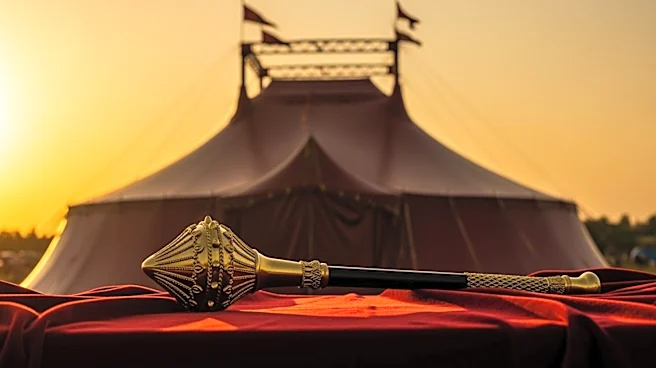







John Nicholas Ringling was more than just one of the famous Ringling brothers; he was a visionary who played a pivotal role in transforming their circus into a national sensation. Known for his entrepreneurial spirit and keen business acumen, John Ringling's influence was instrumental in the expansion and success of the Ringling Brothers Circus. This article explores his contributions and the legacy he left behind.
Early Life and Circus Beginnings
Born in McGregor, Iowa, John Ringling
was the fifth son in a family of seven sons and a daughter. His parents, Marie Salomé Juliar and August Ringling, were of French and German descent. The family eventually settled in Baraboo, Wisconsin, where the Ringling brothers began their journey into the circus world.
John Ringling's early involvement in the circus was marked by his dedication and vision. He and his brothers started their first show in 1870, which evolved over the years into a significant entertainment enterprise. By 1889, the circus had grown large enough to travel by railroad, a testament to the brothers' ambition and innovation.
Building a Circus Empire
John Ringling's leadership and strategic thinking were crucial in the expansion of the circus. In 1907, the Ringling brothers purchased Barnum & Bailey's Greatest Show on Earth, further solidifying their status as the "Circus Kings" in the United States. This acquisition allowed them to control not only their own show but also the Barnum & Bailey circus and other major circuses.
John's role in the circus was multifaceted. He took on the advance position, traveling ahead to book appearances and ensure the smooth operation of the shows. His ability to foresee opportunities and navigate challenges was instrumental in the circus's growth and success.
Legacy and Influence
John Ringling's impact on the circus industry extended beyond his lifetime. After the death of his brothers, he continued to manage the circus, ensuring its survival through difficult times, including World War I and the Great Depression. His decision to move the Winter Quarters to Sarasota, Florida, in 1927, was a strategic move that contributed to the development of the area.
John Ringling's legacy is not only in the circus but also in his contributions to art and culture. He was a real estate developer, art collector, and philanthropist, leaving behind a rich cultural heritage. His vision and dedication to the circus have left an indelible mark on the entertainment industry, and his influence continues to be felt today.
John Ringling's story is one of ambition, innovation, and perseverance. His contributions to the Ringling Brothers Circus and his broader impact on American culture make him a significant figure in the history of entertainment.