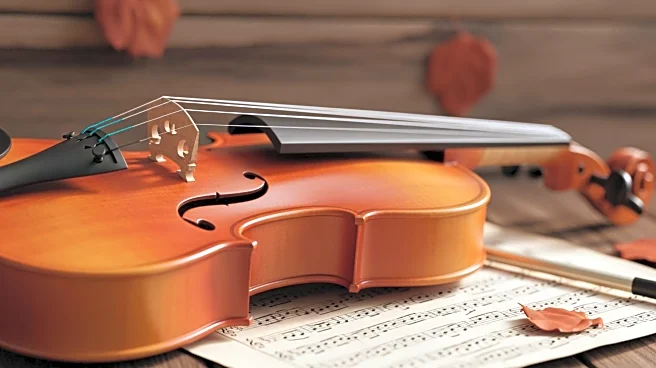




Missouri fiddling is a distinctive style of folk violin playing that has been preserved and celebrated throughout the state. Known for its unique repertoire and regional variations, Missouri fiddling is a vital part of the state's cultural heritage. This article explores the characteristics of Missouri fiddling, its regional differences, and its cultural significance.
Characteristics of Missouri Fiddling
Missouri fiddling is characterized by its rhythmic and energetic style, often featuring
short bow strokes that create a lively sound. This style is deeply rooted in the folk traditions of the state, with influences from various immigrant communities that settled in Missouri.
Historian and fiddler Howard Wight Marshall has played a significant role in preserving this tradition, documenting its history and promoting its practice through books and events. Today, Missouri fiddling is celebrated through jam sessions, competitions, and summer camps that encourage young musicians to learn and carry on the tradition.
Regional Variations
Missouri fiddling can be divided into three main regional styles: Ozark, Little Dixie, and North Missouri. Each style reflects the cultural influences and historical context of its region.
The Ozark style is known for its strong rhythmic emphasis and simple backup instrumentation, creating fast-paced dance music. Little Dixie style, influenced by African American and German traditions, features more complex melodies and varied instrumentation. North Missouri style, often referred to as hornpipe style, is characterized by slower-paced melodies and elegant compositions.
These regional variations highlight the diversity within Missouri fiddling, showcasing the state's rich cultural tapestry.
Cultural Significance
Missouri fiddling is more than just a musical style; it is a cultural tradition that reflects the state's history and identity. It has been a source of community and connection, bringing people together through music.
The tradition has also been a platform for challenging social norms, as seen in the stories of African American fiddler Bill Katon and female fiddler Carol Hascall, who defied societal expectations to pursue their passion for fiddling.
In conclusion, Missouri fiddling is a unique and cherished part of the state's cultural heritage. Its distinct style and regional variations offer a glimpse into the diverse influences that have shaped Missouri's musical landscape. As a living tradition, it continues to inspire and connect communities across the state.