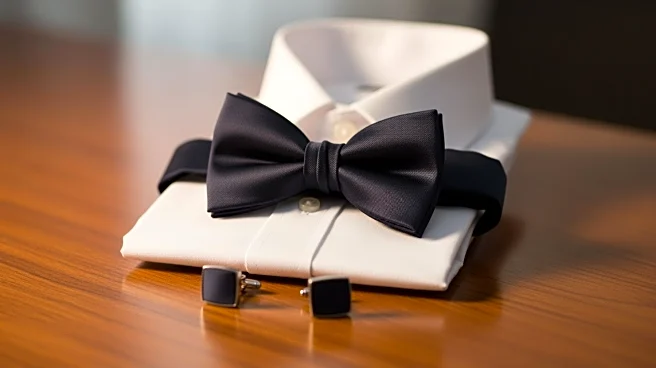




Formal wear, the pinnacle of Western dress codes, is characterized by its elegance and attention to detail. Whether attending a wedding, a state dinner, or a formal ball, understanding the components of formal wear is essential for adhering to this prestigious dress code. This article delves into the specific elements that define traditional formal attire for both men and women.
Men's Formal Wear: The Essentials
For men, formal wear typically consists of a morning coat, waistcoat,
and formal trousers. The morning coat, also known as a cutaway coat, is single-breasted with a link closure or one button, featuring peaked lapels. It is traditionally worn in black or Oxford grey, often with silk piping on the edges. The waistcoat, which matches the coat, adds an additional layer of sophistication.
Formal trousers are usually striped or checked and worn with braces to ensure a proper fit. A white or light-colored shirt with double cuffs is standard, paired with a tie or, less commonly, a cravat. The ensemble is completed with black Oxford shoes or dress boots, and a top hat is often worn for added formality.
Women's Formal Wear: Elegance and Style
Women's formal wear is centered around the evening gown, a full-length dress that exudes elegance. These gowns are often made from luxurious fabrics such as silk or satin and may feature intricate embellishments. For white tie events, women may also wear long gloves that extend past the elbow, adding a touch of classic sophistication.
In addition to the gown, women may accessorize with a picture hat or other formal headgear. Heeled dress pumps are the footwear of choice, complementing the overall look. While the fundamental elements of women's formal wear have remained consistent, fashion trends have introduced variations in style, allowing for personal expression within the confines of the dress code.
The Role of Accessories in Formal Wear
Accessories play a crucial role in formal wear, enhancing the overall appearance and adding a personal touch. For men, a pocket square or boutonnière can provide a subtle pop of color, while cufflinks and a pocket watch add a touch of refinement. Women may choose to accessorize with jewelry, such as pearls or diamonds, to complement their gown.
In some cases, formal wear may also include the display of official orders and medals, particularly at state functions or military events. These decorations are worn with pride, signifying achievements and honors.
Understanding the components of formal wear is key to navigating this dress code with confidence. By paying attention to the details and adhering to traditional elements, individuals can ensure they are appropriately dressed for any formal occasion.