



Virgo, the sixth sign of the zodiac, is rich with mythological associations that span various cultures and eras. Known as the "virgin" or "maiden," Virgo is linked to several myths that highlight themes of purity, harvest, and justice. This article delves into the mythological roots of Virgo, exploring its connections to Greek, Roman, and Egyptian mythology, as well as its symbolic significance in Christianity.
Greek and Roman Mythology
In Greek mythology, Virgo is often associated
with Astraea, the last immortal to live among humans during the Silver Age. Astraea, a symbol of purity and innocence, fled to the heavens when the world became corrupt, becoming the constellation Virgo. This myth underscores Virgo's association with Earth and purity, as Astraea was linked to the harvest and the natural world.
Another Greek myth connects Virgo to Demeter, the goddess of the harvest, and her daughter Persephone. Persephone's annual descent into the underworld and return to Earth symbolizes the changing seasons, aligning Virgo with themes of growth and renewal. In Roman mythology, Virgo is linked to Ceres, the Roman equivalent of Demeter, further emphasizing the sign's connection to agriculture and the harvest.
Egyptian and Christian Symbolism
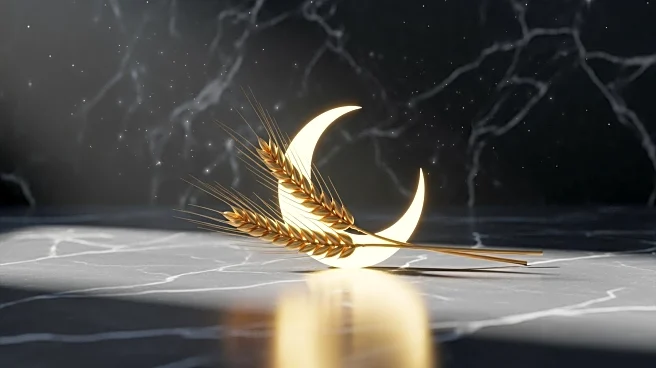
In Egyptian mythology, Virgo's presence in the sky marked the beginning of the wheat harvest, directly linking the sign to agriculture and sustenance. This association with the wheat grain is a recurring theme in Virgo's mythological background, highlighting its role in sustaining life and nurturing growth.
In Christianity, Virgo is symbolically connected to the Virgin Mary, reflecting themes of purity and divine birth. The birth of Jesus to a virgin in Bethlehem is seen as a celestial event, with Virgo representing the virgin mother. This connection adds a layer of spiritual significance to the sign, intertwining it with themes of faith and divine intervention.
Other Mythological Associations
Virgo is also associated with the myth of Erigone, the daughter of Icarius, an Athenian who was murdered by his shepherds. In her grief, Erigone hanged herself, and her loyal dog Maera committed suicide. Zeus or Dionysus placed them in the sky as constellations: Erigone as Virgo, Icarius as Bootes, and Maera as Canis Minor. This myth adds a tragic dimension to Virgo, highlighting themes of loyalty, loss, and transformation.
In Hindu astrology, Virgo corresponds to the sign Kanya, which also means "maiden." This parallel further emphasizes the universal themes of purity and femininity associated with Virgo across different cultures.
Virgo's rich tapestry of mythological associations underscores its multifaceted nature. From themes of purity and harvest to spiritual symbolism, Virgo's mythological roots offer a deep and varied understanding of this astrological sign.