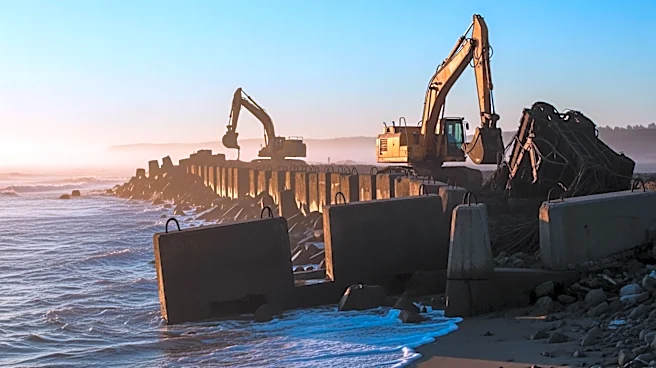







The 1966 Palomares accident not only resulted in the loss of life and the release of nuclear weapons but also left a lasting environmental impact on the region. The cleanup efforts that followed were extensive and complex, involving both U.S. and Spanish authorities. This article explores the challenges and progress made in the aftermath of the accident.
Initial Cleanup Operations
Following the accident, the immediate concern was the radioactive contamination caused by the detonation
of conventional explosives in two of the thermonuclear bombs. This resulted in the dispersion of plutonium over approximately two square kilometers of land near Palomares. The U.S. and Spanish authorities quickly mobilized to address the contamination.
The initial cleanup involved the removal of approximately 1,750 tons of radioactive soil, which was then shipped to the United States for disposal. This operation was a massive undertaking, requiring coordination between the two countries and the deployment of significant resources. Despite these efforts, traces of contamination remained, necessitating ongoing monitoring and further remediation.
Ongoing Environmental Concerns
Despite the initial cleanup, residual contamination persisted in the area. In 2004, a study revealed that significant contamination was still present in certain areas, leading the Spanish government to expropriate some plots of land for further testing and cleanup. The discovery of higher-than-normal levels of radiation in snails and other wildlife in the region indicated that radioactive material might still be present underground.
In 2015, Spain and the United States signed an agreement to further discuss the cleanup and removal of contaminated land. This agreement aimed to negotiate a binding plan to restore and clear up the Palomares site and arrange for the disposal of the contaminated soil at an appropriate site in the U.S.
The Legacy of the Palomares Accident
The Palomares accident serves as a reminder of the long-term environmental impact of nuclear incidents. The ongoing cleanup efforts highlight the challenges of addressing radioactive contamination and the importance of international cooperation in such endeavors. The accident also underscores the need for stringent safety measures to prevent similar incidents in the future.
While significant progress has been made in the cleanup efforts, some contaminated land remains, and the full remediation of the area is yet to be completed. The Palomares accident continues to be a topic of concern and discussion, reflecting the complexities and challenges of managing nuclear contamination and its aftermath.