
Soap bubbles are more than just a playful pastime; they are a fascinating intersection of science and art. These delicate spheres, formed from a thin film of soap and water, exhibit complex physical properties and have inspired artistic performances worldwide. This article delves into the scientific principles behind soap bubbles and their artistic applications.
Scientific Principles of Soap Bubbles
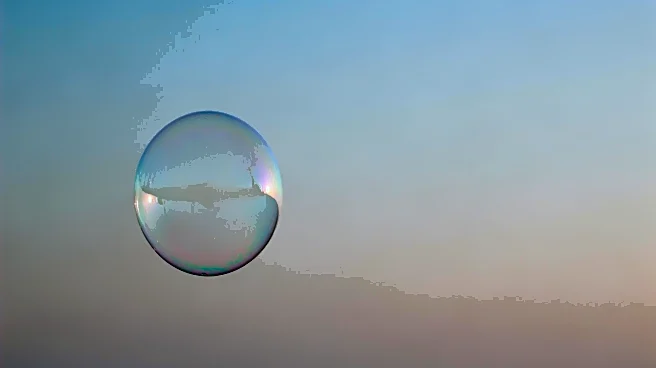
A soap bubble is an extremely thin film of soap or detergent and water enclosing air, forming
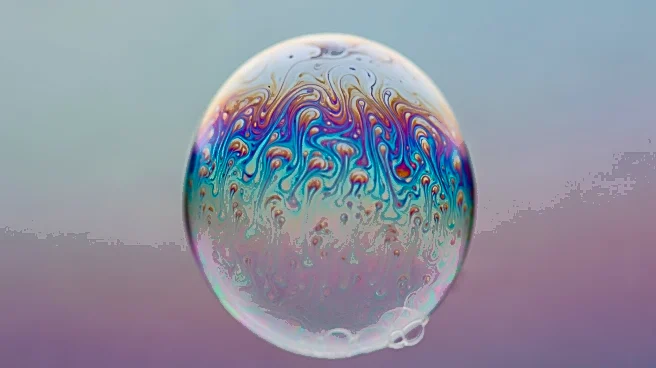
a hollow sphere with an iridescent surface. The colors seen in a soap bubble arise from light wave interference, reflecting off the front and back surfaces of the thin soap film. Depending on the thickness of the film, different colors interfere constructively and destructively, creating the mesmerizing patterns that captivate observers.
The longevity of a soap bubble is limited by the ease of rupture of its thin layer. Factors such as drainage within the soap film, evaporation, and contact with dirt or fat can cause bubbles to burst. However, adding ingredients like glycerin and sugar to the bubble solution can slow these processes, allowing bubbles to last longer. The liquid shell of a soap bubble is heavier than air, but the gas inside typically contains more water vapor, which is less dense than dry air, giving the bubble positive buoyancy.
Artistic Applications of Soap Bubbles
Soap bubbles have been used in artistic performances, combining entertainment with skill and creativity. Professional bubble artists create giant bubbles or tubes, often enveloping objects or even humans. These performances showcase the artistic potential of soap bubbles, with artists managing to create bubbles forming cubes, tetrahedra, and other shapes.
To enhance the visual experience, bubbles are sometimes filled with smoke, vapor, or helium and combined with laser lights or fire. Soap bubbles can also be filled with flammable gas and ignited, adding an element of spectacle to performances. Notable bubble artists include Tom Noddy, Fan Yang, and The Amazing Bubble Man, who have captivated audiences with their innovative use of soap bubbles.
Educational and Cultural Impact
Soap bubbles are not only a source of entertainment but also a valuable educational tool. They can be used to teach concepts such as flexibility, color formation, and transparency. Bubbles are useful in teaching concepts starting from 2 years old and into college years, making them a versatile educational resource.
Dr. Natalie Hartzell has theorized that exposure to bubbles at a young age positively affects the region of the brain responsible for motor skills and coordination. This suggests that soap bubbles can play a role in cognitive development, providing both entertainment and educational benefits.
In conclusion, soap bubbles represent a unique blend of science and art, offering endless possibilities for exploration and creativity. Their captivating beauty and educational potential ensure that they will continue to inspire and delight people of all ages.