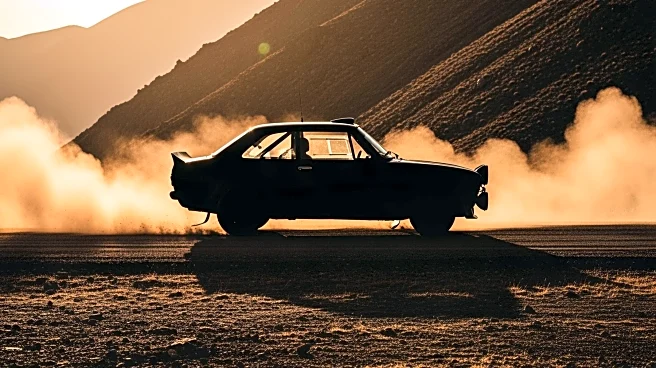




The Toyota Celica GT-Four is a name that resonates with rally enthusiasts around the world. Known for its high performance and all-wheel-drive capabilities, the GT-Four was a standout model in the Celica lineup, designed specifically to compete in the World Rally Championship (WRC). From its introduction in the late 1980s to its final production in the late 1990s, the GT-Four left an indelible mark on the world of motorsport.
The Birth of a Rally Icon
The Celica GT-Four was
first introduced in 1986, as Toyota sought to create a vehicle that could dominate the rally racing scene. Equipped with a turbocharged 3S-GTE engine and full-time all-wheel drive, the GT-Four was built to meet the rigorous demands of rally competition. This model was a homologation special, meaning it was produced in sufficient numbers to qualify for the WRC.
The GT-Four came in three generations, each building on the success of its predecessor. The ST165, based on the fourth-generation Celica, was the first to hit the rally circuit, making its debut in the 1988 Tour de Corse. It quickly proved its mettle, securing its first WRC victory in the 1989 Rally Australia.
Dominance in the World Rally Championship
The ST185, introduced in 1989, took the GT-Four's performance to new heights. With its distinctive "super round" shape, the ST185 became Toyota's most successful rally car, winning multiple championships and earning a reputation for reliability and speed. It claimed the WRC Drivers' Championship in 1992 and both the Manufacturers' and Drivers' championships in 1993 and 1994.
The final iteration, the ST205, debuted in 1994 and continued the GT-Four's legacy of excellence. Although it faced stiff competition, the ST205 managed to secure a WRC victory before being disqualified. It also won the 1996 European Rally Championship, further cementing its status as a rally legend.
Legacy and Impact
The Toyota Celica GT-Four's success in rally racing marked a significant achievement for Japanese manufacturers, who had previously been overshadowed by European competitors. Its innovative design and engineering set a new standard for rally cars, influencing future models from other manufacturers.
Even after its production ended in 1999, the GT-Four's legacy lives on. It remains a beloved model among car enthusiasts and collectors, celebrated for its contributions to motorsport and its role in elevating Toyota's reputation in the world of high-performance vehicles.