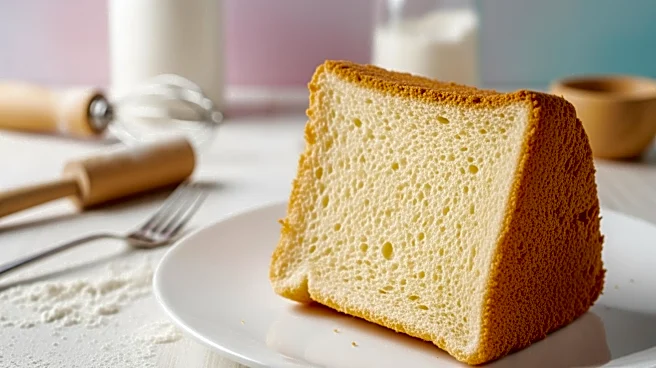




Chiffon cake is a delightful dessert known for its light and airy texture. This cake stands out from other types due to its unique preparation method and ingredients. In this article, we will explore the characteristics that make chiffon cake special and delve into its history, tracing its journey from a secret recipe to a beloved treat enjoyed worldwide.
Characteristics of Chiffon Cake
Chiffon cake is characterized by its light and fluffy texture, achieved through a combination
of vegetable oil, eggs, sugar, flour, and baking powder. Unlike traditional butter cakes, chiffon cake uses oil, which keeps it moist and prevents it from drying out. The cake's airy texture is primarily due to the beaten egg whites, which are folded into the batter, creating a meringue-like consistency.
The cake is typically baked in a tube pan, which allows it to rise evenly and maintain its structure. Interestingly, the original recipe calls for the cake tin to be unlined and ungreased. This technique enables the batter to cling to the sides of the pan, providing support as it rises and cools. This method is crucial for maintaining the cake's light texture and preventing it from collapsing.
The History of Chiffon Cake
The chiffon cake was invented by Harry Baker, a Californian insurance salesman turned caterer. For 20 years, Baker kept the recipe a closely guarded secret, serving it to Hollywood celebrities and at exclusive events. In the late 1940s, he sold the recipe to General Mills, which popularized it through marketing campaigns and a Betty Crocker pamphlet featuring 14 variations of the cake.
The introduction of chiffon cake to the public was a significant moment in culinary history. Its unique texture and versatility quickly made it a favorite among home bakers and professional chefs alike. The cake's ability to be paired with various fillings and icings further contributed to its popularity.
Chiffon Cake Today
Today, chiffon cake remains a popular choice for those seeking a light and flavorful dessert. Its versatility allows it to be adapted into various flavors, from classic vanilla and chocolate to more exotic options like lemon and orange. The cake's ability to hold up well under refrigeration makes it an excellent choice for layered cakes and desserts that require chilling.
In conclusion, chiffon cake's unique characteristics and rich history have cemented its place in the world of desserts. Its light and fluffy texture, combined with its adaptability, continue to delight dessert lovers around the globe.