


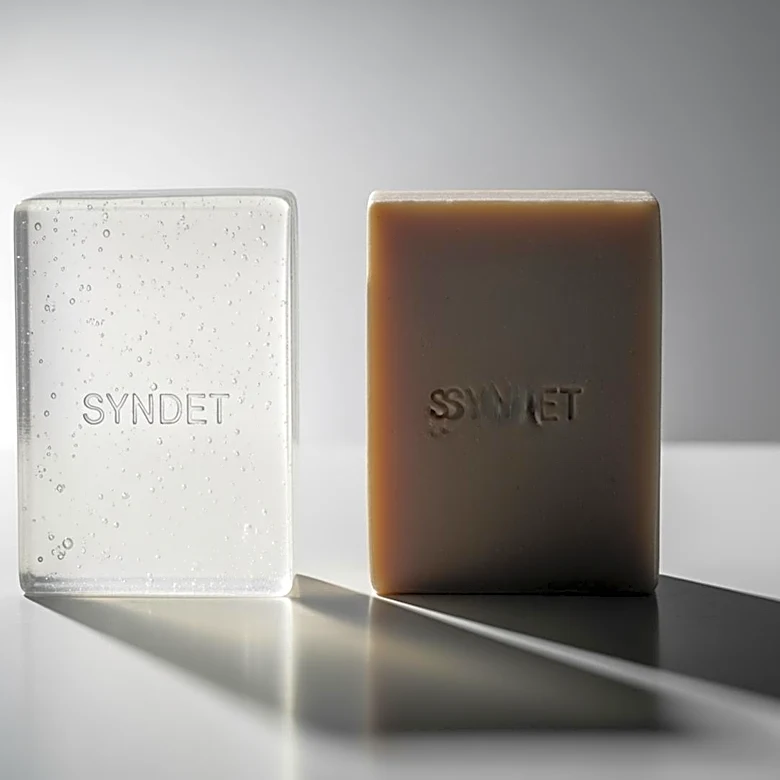




Syndet, short for synthetic detergent, represents a significant shift in the world of personal care products. Unlike traditional soaps, which are often criticized for their potential to cause skin irritation and allergies, syndets are designed to be gentler on the skin. This article delves into the development of syndet, its benefits, and its growing popularity as a preferred choice for those with sensitive skin.
The Development of Syndet
Syndet is a term derived from the words
"synthetic detergents," referring to substances that are synthetically produced to act as surfactants. The primary goal in developing syndet was to create a product that could effectively clean while being less harsh on the skin compared to traditional soaps. Traditional soaps are made through a process called saponification, which involves the chemical reaction of fats with an alkali. This process can result in products that are not always skin-friendly, especially for individuals with sensitive skin or allergies.
The creation of syndet marked a departure from this traditional method. By using synthetic surfactants, manufacturers could produce a product that maintained the cleaning power of soap but with improved skin compatibility. This innovation was particularly appealing to those who experienced adverse reactions to conventional soap products.
Benefits of Syndet for Sensitive Skin
One of the most significant advantages of syndet is its suitability for sensitive skin. Traditional soaps can sometimes exacerbate skin conditions due to their alkaline nature and potential to strip the skin of its natural oils. In contrast, syndets are formulated to be milder, reducing the risk of irritation and dryness.
Syndets are often marketed as hypoallergenic, making them an attractive option for individuals prone to allergies. The synthetic nature of these detergents allows for precise control over their composition, enabling manufacturers to minimize the presence of potential allergens. This level of control is not as easily achievable with traditional soap-making processes.
The Growing Popularity of Syndet
As awareness of skin health and sensitivity increases, so does the demand for products like syndet. Consumers are becoming more informed about the ingredients in their personal care products and are actively seeking alternatives that offer both efficacy and gentleness. Syndet fits this demand perfectly, providing a cleaning solution that is both effective and kind to the skin.
The marketing of syndet has also played a role in its rising popularity. By emphasizing its skin-friendly properties and suitability for those with allergies, manufacturers have successfully positioned syndet as a superior alternative to traditional soap. This strategic positioning has helped syndet gain a foothold in the personal care market, appealing to a broad range of consumers looking for products that align with their skin care needs.
In conclusion, syndet represents a significant advancement in personal care, offering a gentler alternative to traditional soaps. Its development and growing popularity highlight the ongoing evolution of consumer preferences towards products that prioritize skin health and comfort.