


Maybach is a name synonymous with luxury and opulence in the automotive world, but its origins are deeply rooted in engineering and innovation. Founded in 1909 by Wilhelm Maybach and his son Karl, the company initially focused on manufacturing engines for airships and rail cars. Over the decades, Maybach evolved into a prestigious car brand, known for its ultra-luxury vehicles. This article traces the journey of Maybach from its early days as an engine manufacturer
to its current status as a sub-brand of Mercedes-Benz.
Early Beginnings in Engine Manufacturing
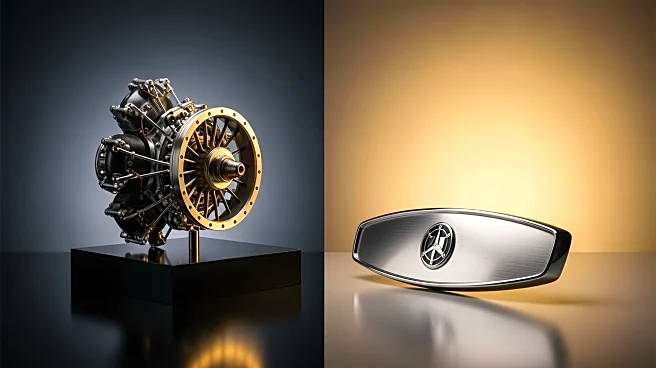
Wilhelm Maybach was a prominent figure in the automotive industry, having served as the technical director of Daimler-Motoren-Gesellschaft (DMG) before founding Maybach. In 1909, he established Luftfahrzeug-Motorenbau GmbH, which later became Maybach-Motorenbau GmbH. The company initially focused on producing diesel and petrol engines for German Zeppelins and rail cars. During World War I, Maybach engines powered German aircraft and airships, showcasing the company's engineering prowess.
In the post-war years, Maybach continued to innovate, developing heavy-duty diesel engines for marine and rail applications. The company's expertise in engine manufacturing laid the foundation for its future ventures into the automotive industry. By 1919, Maybach had built an experimental car, which was introduced as a production model at the Berlin Motor Show in 1921.
Transition to Luxury Automobiles
Between 1921 and 1940, Maybach produced a range of opulent vehicles that are now considered classics. These cars were known for their luxurious features and powerful engines, cementing Maybach's reputation as a high-end automobile manufacturer. The company's focus on quality and innovation continued to drive its success in the automotive market.
During World War II, Maybach shifted its focus back to engine manufacturing, producing engines for Nazi Germany's tanks and half-tracks. This period marked a significant chapter in Maybach's history, as the company played a crucial role in the war effort. However, automotive production was never restarted after the war, and Maybach was eventually renamed MTU Friedrichshafen.
Revival and Modern Era
In 1960, Daimler-Benz acquired Maybach, and the brand was revived as a standalone ultra-luxury car brand in 2002. Despite sharing components with Mercedes-Benz cars, Maybach struggled with slow sales and ceased to be a standalone brand in 2013. In 2015, it was reintroduced as a sub-brand of Mercedes-Benz, producing ultra-luxury editions of the S-Class and other models.
Today, Maybach continues to symbolize luxury and excellence in the automotive industry, with its vehicles representing the pinnacle of comfort and performance. The brand's journey from engine manufacturing to luxury automobiles is a testament to its enduring legacy and commitment to innovation.