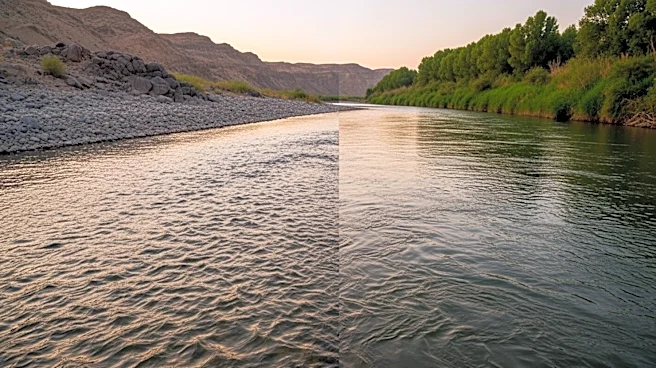






The International Boundary and Water Commission (IBWC) plays a crucial role in managing the water resources of the Rio Grande, a river that serves as a natural boundary between the United States and Mexico. Established in 1889, the IBWC has evolved to address the complex challenges of water allocation, flood control, and environmental protection along the river. This article delves into the responsibilities and impact of the IBWC in managing the Rio Grande.
Historical Background and Formation
The IBWC was initially created to apply the rules for determining the location of the international boundary between the United States and Mexico. Over time, its responsibilities expanded to include the distribution of water from the Rio Grande and the Colorado River. The 1944 Water Treaty was a significant milestone in the commission's history, as it defined the allocation of water between the two countries and established the IBWC's current structure.
Under the 1944 treaty, the IBWC was tasked with constructing, operating, and maintaining dams and reservoirs on the Rio Grande to optimize water use. The treaty also addressed flood control and water sanitation issues, reflecting the growing need for comprehensive water management along the river. The IBWC's dual structure, with a U.S. section and a Mexican section, allows for coordinated efforts in addressing these challenges.
Responsibilities and Achievements
The IBWC's primary responsibilities include regulating and conserving the waters of the Rio Grande, ensuring equitable distribution between the United States and Mexico, and addressing border sanitation problems. The commission also plays a vital role in flood control, working to protect lands along the river from flooding through levee and floodway projects.
One of the IBWC's notable achievements is the construction of international storage dams, such as the Amistad and Falcon Dams, which help regulate the flow of the Rio Grande. These dams have been instrumental in managing water resources for agricultural, municipal, and industrial use. Additionally, the IBWC has been involved in resolving disputes related to water quality and salinity, ensuring that both countries receive water that meets agreed-upon standards.
Challenges and Criticisms
Despite its successes, the IBWC has faced criticism in recent years. Some argue that the commission is an institutional anachronism, struggling to address modern social, environmental, and political issues. Critics have pointed to the IBWC's perceived lack of transparency and responsiveness to environmental concerns as areas needing improvement.
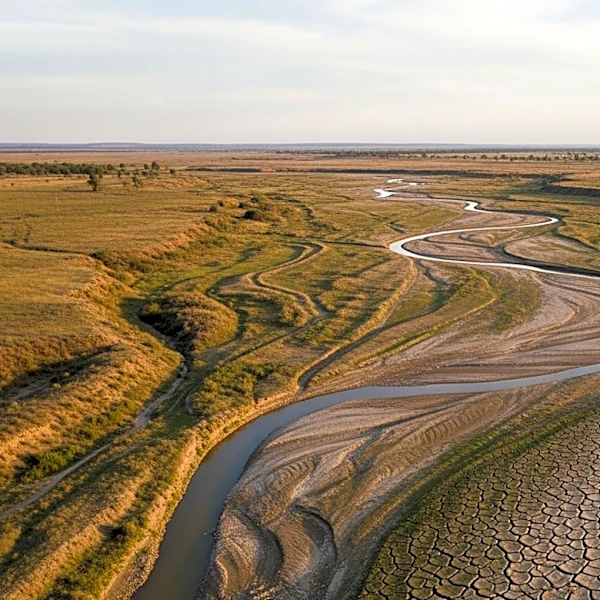
The IBWC continues to navigate complex challenges, such as drought conditions and increasing water demand, which have strained the Rio Grande's resources. The commission's ability to adapt and address these issues will be crucial in ensuring the sustainable management of the river's waters for future generations.