





Licorice, known scientifically as Glycyrrhiza glabra, is a fascinating plant with unique botanical features. Native to regions such as West Asia, Tropical Asia, North Africa, and Southern Europe, this plant is part of the bean family, Fabaceae. It is renowned for its sweet, aromatic root, which is used in various applications from confectionery to traditional medicine. This article delves into the physical characteristics and growth habits of the licorice
plant, providing a detailed look at what makes it unique.
Physical Description
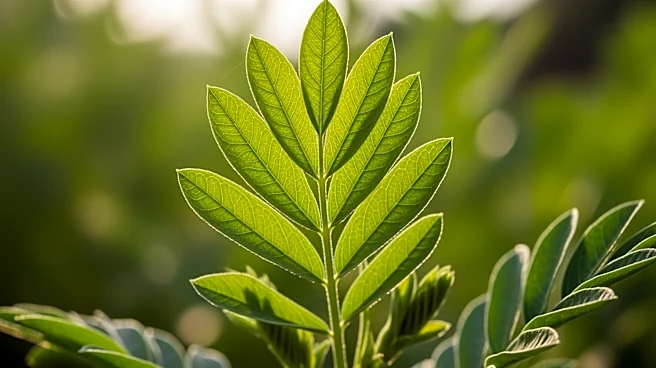
The licorice plant is an herbaceous perennial, meaning it lives for more than two years and has a non-woody stem. It typically grows to a height of about one meter, or 40 inches. The plant's leaves are pinnate, measuring between 7 to 15 centimeters in length, and consist of 9 to 17 leaflets. These leaves are an essential part of the plant's photosynthesis process, capturing sunlight to convert into energy.
The flowers of the licorice plant are another distinctive feature. They are small, measuring 8 to 12 millimeters in length, and range in color from purple to pale whitish blue. These flowers are produced in a loose inflorescence, which is a cluster of flowers arranged on a stem. The plant's fruit is an oblong pod, 20 to 30 millimeters long, containing several seeds. This pod is crucial for the plant's reproduction, allowing it to spread and grow in suitable environments.
Root System and Growth
One of the most notable aspects of the licorice plant is its root system. The roots are stoloniferous, meaning they spread horizontally underground, allowing the plant to propagate and cover more ground. This root system is not only vital for the plant's survival but also for its use in various industries. The roots are harvested for their sweet flavor, which is extracted and used in numerous products.
Licorice grows best in well-drained soils found in deep valleys with full sun exposure. The plant is typically harvested in the autumn, two to three years after planting. This growth cycle ensures that the roots have developed enough to be harvested for their valuable extracts. Countries such as Turkey, Greece, Iran, and Iraq are known for producing licorice, taking advantage of their suitable climates and soil conditions.
Chemical Composition
The sweetness of licorice comes from a compound called glycyrrhizin, which is found in the root. This compound is significantly sweeter than sugar, making it a popular choice for flavoring. The root also contains triterpenoids, polyphenols, and polysaccharides, contributing to its unique properties. Flavonoids in the root account for its yellow color, adding to its distinct appearance.
In conclusion, the licorice plant is a remarkable species with unique botanical characteristics. From its pinnate leaves and colorful flowers to its stoloniferous roots and sweet compounds, every part of the plant plays a role in its survival and utility. Understanding these features provides insight into why licorice has been valued for centuries in various cultures and industries.