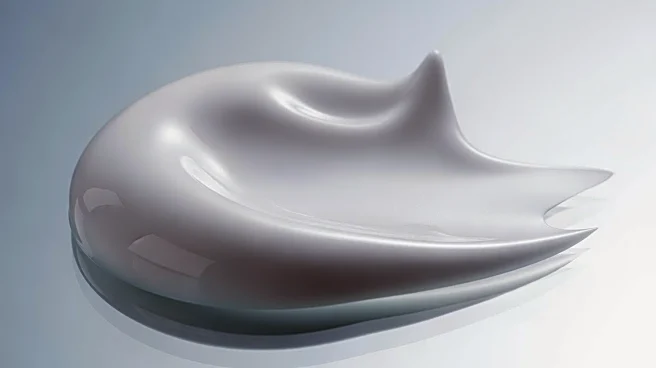




Cold cream is a skincare product with a rich history and a unique formulation. Known for its cooling sensation and moisturizing properties, cold cream is a water-in-oil emulsion that has been used for centuries. This article delves into the scientific principles and formulation of cold cream, highlighting its key components and their roles.
Emulsion Structure
Cold cream is characterized by its water-in-oil emulsion structure, where a small amount of water is suspended
in a larger amount of oil. This structure is distinct from oil-in-water emulsions, such as vanishing creams, which disappear upon application. The water-in-oil emulsion provides a rich, moisturizing layer that locks in hydration.
The cooling sensation associated with cold cream is a result of the evaporation of water from the emulsion. As the water evaporates, it absorbs heat from the skin, creating a refreshing feeling. This unique property has contributed to cold cream's enduring popularity in skincare.
Key Ingredients
The original formulation of cold cream included rose water, beeswax, and either almond or olive oil. Beeswax serves as the emulsifying agent, although it is less efficient than modern emulsifiers. To improve stability, small quantities of borax were later added, saponifying the fatty acids in beeswax and creating a more stable cream.
Modern cold creams have replaced plant oils with mineral oil and added alcohol, glycerin, and lanolin. Jojoba oil became a common ingredient in the 1970s, replacing spermaceti from whales. These changes have enhanced the moisturizing properties and stability of cold cream, making it suitable for various skincare applications.
Stability and Variations
The stability of cold cream is crucial to its effectiveness. Early formulations required extensive mixing and could separate upon standing. The addition of borax improved stability, allowing cold cream to maintain its consistency over time.
Cold cream formulations have evolved to include various scents, such as camphor, almond, violet, and roses, enhancing the product's appeal. These variations cater to different preferences and skin types, making cold cream a versatile choice in skincare.
In summary, the scientific principles behind cold cream's formulation contribute to its effectiveness and popularity. Its unique emulsion structure, key ingredients, and stability make it a valuable addition to skincare routines, offering moisturizing and soothing benefits.