







Mushroom cultivation is a thriving industry, providing a significant source of food and economic activity worldwide. With the increasing demand for mushrooms, especially in developing countries, cultivation practices have evolved to meet consumer needs. This article delves into the methods and economic impact of mushroom farming.
Methods of Cultivation
Mushrooms are primarily grown on farms, where conditions are carefully controlled to ensure optimal growth. The most common
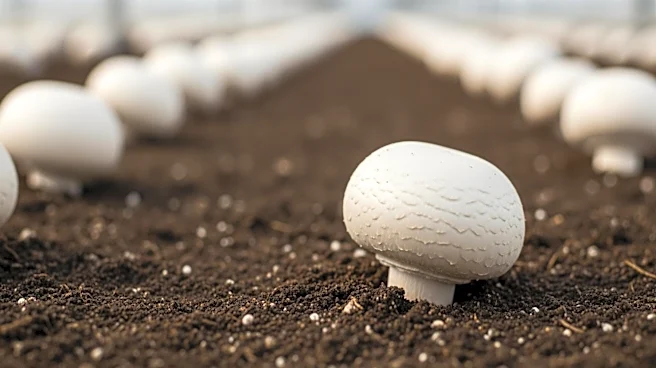
commercially grown mushroom is Agaricus bisporus, which includes varieties like white, crimini, and portobello. These mushrooms are cultivated in sterilized environments to prevent contamination and ensure safety.
Cultivation involves several stages, from spawning to harvesting. Mushrooms grow from mycelium, a network of threadlike structures, and expand rapidly by absorbing fluids. The process requires precise control of temperature, humidity, and substrate composition. While traditional methods involve outdoor log cultivation, modern techniques use indoor trays and artificial logs made of compressed substrate.
Economic Impact
The mushroom industry has seen significant growth, driven by increasing affluence and interest in healthy eating. China is the leading producer, accounting for a substantial portion of global output. Other major producers include Japan and the United States, with Poland being a top exporter.
Mushroom cultivation offers economic opportunities for small farmers, particularly in developing regions. It is considered a sustainable business, requiring relatively low investment and providing good returns. The industry's expansion has led to advancements in cultivation technology and increased availability of diverse mushroom varieties.
Challenges and Opportunities
Despite its growth, the mushroom industry faces challenges, including pest management and the need for skilled labor. Parasitic insects and diseases can affect production, requiring effective control measures. Additionally, the labor-intensive nature of harvesting has prompted interest in automation and improved cultivation techniques.
Opportunities for innovation abound, with ongoing research into genetic engineering and enhanced nutritional value. The industry's potential for environmental benefits, such as bioremediation and sustainable farming practices, further underscores its significance.
Mushroom cultivation is a dynamic field, offering insights into agricultural practices and economic development. As demand continues to rise, the industry is poised for further growth, contributing to food security and sustainable agriculture.