




Floral design is a versatile art form that encompasses a wide range of styles and techniques. From traditional arrangements to modern innovations, each style offers a unique approach to creating beautiful compositions. Understanding these styles can enhance one's appreciation of floral design and inspire creativity in crafting arrangements.
Traditional and Cultural Styles
Traditional floral design styles often draw from cultural and historical influences. Ikebana, the Japanese art
of flower arrangement, is known for its simplicity and focus on harmony between elements. It emphasizes line placements that correspond with heaven, humans, and earth, creating a balanced and serene composition.
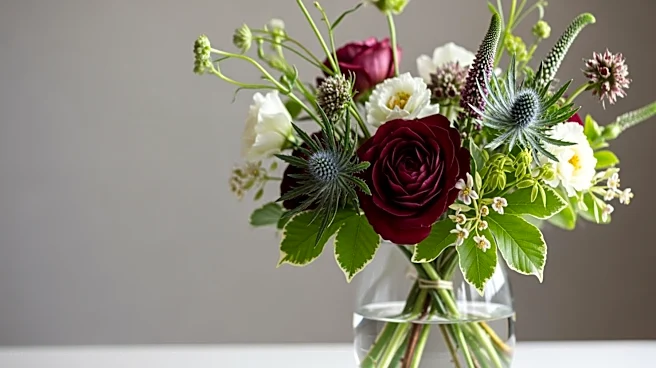
In contrast, the English Garden style is characterized by its abundant use of seasonal flowers and foliage, arranged in a radial fashion. This style often features garden flowers like roses and peonies, with minimal space between blooms. The French style, on the other hand, uses soft pastel colors and focuses on the individual beauty of each flower, often without a focal point.
Modern and Contemporary Approaches
Modern floral design has introduced new styles that emphasize creativity and experimentation. The Modern/European style features contemporary, linear designs with negative space and asymmetric placement of materials. This style often incorporates exotic or tropical flowers, creating dramatic and visually striking arrangements.
The Contemporary/Dutch style also embraces modern design principles, using a variety of greens and natural elements like stones and mosses. These designs often play with space and texture, creating unique and innovative compositions.
The Role of Floral Design in Events
Floral design plays a significant role in various events and celebrations, from weddings to corporate functions. Each event may call for a different style, depending on the desired atmosphere and theme. For example, a wedding might feature a romantic English Garden style, while a corporate event could benefit from the sleek lines of a Modern/European arrangement.
Understanding the diverse styles of floral design allows designers to tailor their creations to suit any occasion. Whether drawing from traditional influences or embracing modern techniques, floral design offers endless possibilities for creativity and expression.