
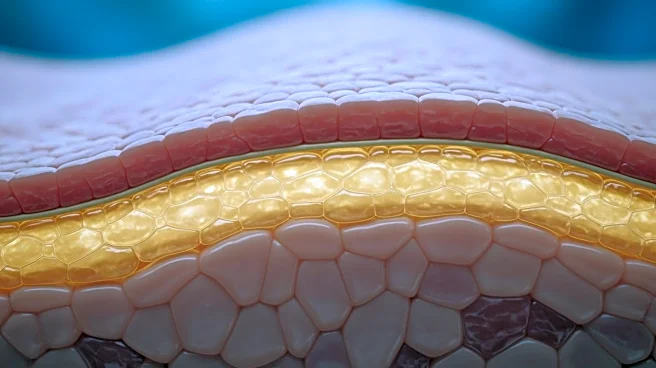

The dermis is a vital component of the skin, situated between the epidermis and subcutaneous tissues. It plays a crucial role in providing strength, elasticity, and protection to the body. This article delves into the structural elements and functions of the dermis, highlighting its importance in maintaining skin health.
Structural Components of the Dermis
The dermis is primarily composed of dense irregular connective tissue, which cushions the body from stress and strain. This layer
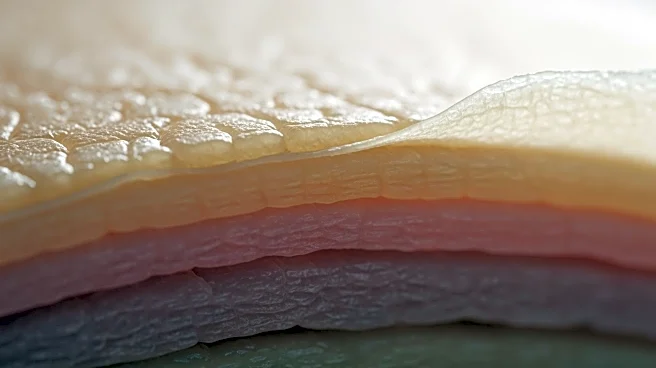
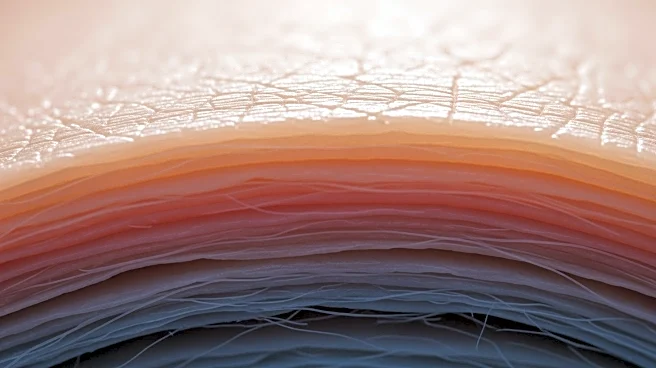
is divided into two regions: the papillary and reticular dermis. The papillary region, located adjacent to the epidermis, consists of loose areolar connective tissue and fine collagen fibers. It features fingerlike projections called dermal papillae that extend toward the epidermis, enhancing the connection between the two layers.
The reticular dermis, on the other hand, is thicker and composed of densely packed collagen fibers. This region is the primary location of dermal elastic fibers, which contribute to the skin's strength, extensibility, and elasticity. The orientation of collagen fibers within the reticular dermis creates lines of tension known as Langer's lines, which are significant in surgical procedures and wound healing.
Functions of the Dermis
The dermis serves multiple functions essential for skin health. It contains mechanoreceptors and thermoreceptors that provide the senses of touch and heat. Additionally, the dermis houses hair follicles, sweat glands, sebaceous glands, apocrine glands, lymphatic vessels, nerves, and blood vessels. These components work together to nourish the skin and remove waste products.
Blood vessels within the dermis play a crucial role in providing nourishment and waste removal for both dermal and epidermal cells. The dermal papillae increase the surface area between the dermis and epidermis, facilitating the exchange of oxygen, nutrients, and waste products.
The Role of Dermal Papillae
Dermal papillae are small, nipple-like extensions of the dermis into the epidermis. They appear as epidermal, papillary, or friction ridges on the surface of the skin, particularly in the hands and feet, where they form fingerprints. These ridges increase friction, improving grasping ability.
The pattern of ridges is partly genetically determined and developed before birth. They remain substantially unchanged throughout life, making them useful for personal identification. With age, the papillae tend to flatten and sometimes increase in number, affecting the skin's texture and appearance.
The dermis is a complex and essential layer of the skin, providing structural support, sensory functions, and protection. Understanding its components and functions is crucial for appreciating the skin's role in overall health and well-being.