




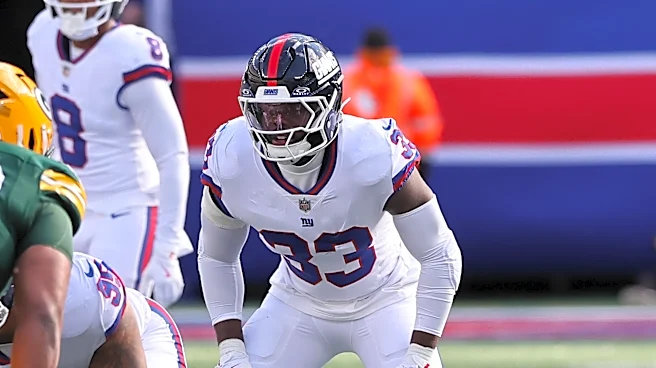

Giants Stadium was a significant landmark in the world of American sports, serving as the home of the New York Giants from 1976 until 2009. This article explores the historical journey of Giants Stadium, highlighting its inception, key events, and eventual replacement by MetLife Stadium.
The Birth of Giants Stadium
The idea for Giants Stadium emerged in the mid-1960s when civic leaders in New Jersey sought to create a sports complex that could attract an NFL team from New York
City. The New Jersey Sports and Exposition Authority Law, passed in 1971, paved the way for the construction of the Meadowlands Sports Complex, which included Giants Stadium. Ground was broken on November 19, 1972, marking the beginning of a new era for sports in New Jersey.
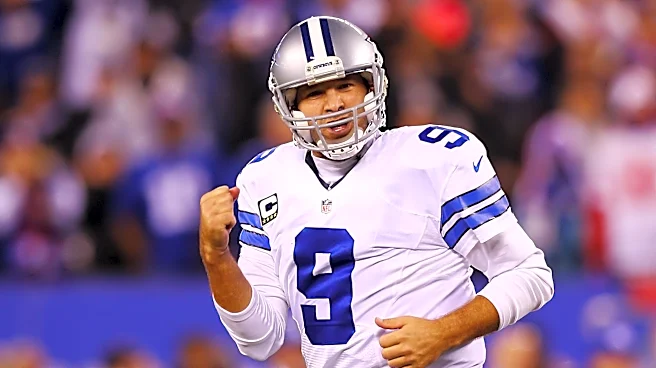
Giants Stadium officially opened on October 10, 1976, with a game between the New York Giants and the Dallas Cowboys. Despite the Giants losing 24-14, the stadium quickly became a beloved venue for sports fans. With a seating capacity of over 76,000, it was one of the largest stadiums in the NFL at the time, providing a grand stage for numerous memorable events.
Giants Stadium's Glory Years
Throughout its existence, Giants Stadium hosted a variety of significant events beyond football. It became a major venue for concerts, featuring performances by legendary artists such as Bruce Springsteen, the Rolling Stones, and U2. Springsteen, a New Jersey native, held the record for the most shows by a single artist at the stadium, solidifying its status as a cultural hub.
In addition to concerts, Giants Stadium was a key location for international sports events. It hosted matches during the 1994 FIFA World Cup, showcasing its versatility as a venue. The stadium also witnessed the New York Jets' move from Shea Stadium in 1984, making it a shared home for both New York NFL teams.
The Transition to MetLife Stadium
As Giants Stadium approached its 30th anniversary, discussions about a new stadium began to take shape. The aging facility was becoming outdated, prompting the New York Giants and New York Jets to collaborate on a new project. This partnership led to the construction of MetLife Stadium, which opened in 2010.
MetLife Stadium, located adjacent to the original site of Giants Stadium, was designed to accommodate both teams equally. With a seating capacity of over 82,000, it became the largest NFL stadium in terms of total seating. The new stadium featured modern amenities and a design that allowed for easy reconfiguration between Giants and Jets games.
The demolition of Giants Stadium began immediately after the 2009 NFL season, marking the end of an era. However, its legacy lives on through the memories of countless fans who experienced unforgettable moments within its walls. Giants Stadium's history is a testament to its impact on sports and entertainment in the New York metropolitan area.