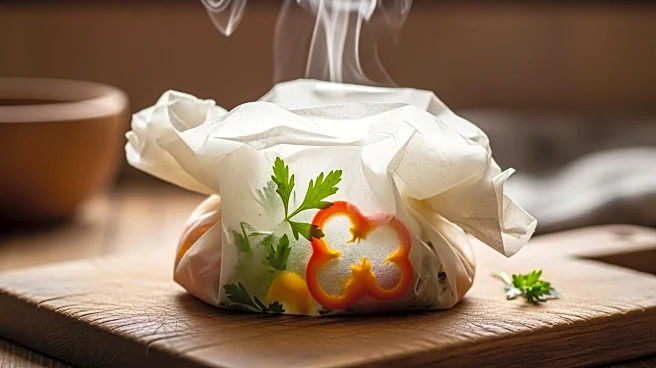



The en papillote cooking method, which translates to "enveloped in paper" in French, has a rich history that dates back to the 17th century. This technique involves baking food in a sealed pouch, allowing it to steam in its own juices. While it is most commonly associated with French cuisine, en papillote has found its way into various culinary traditions around the world, adapting to local ingredients and flavors.
Historical Roots in France
En papillote originated in France,
where it became a popular cooking method in the 17th century. The technique was initially used to cook fish and vegetables, taking advantage of the natural moisture in these ingredients to create a flavorful and tender dish. The method's appeal lies in its simplicity and the way it enhances the natural flavors of the food.
The French have long appreciated the art of cooking en papillote, using it to create elegant and aromatic dishes. The method's ability to preserve the integrity of the ingredients while infusing them with herbs and spices made it a favorite among chefs and home cooks alike. Over time, en papillote became a staple in French culinary tradition, celebrated for its ability to deliver both taste and presentation.
Global Adaptations and Variations
As the en papillote method gained popularity, it began to influence and be influenced by other culinary traditions. In Indonesia, a similar technique is used, where food is wrapped in large leaves such as banana or cassava before cooking. This method, known as pepes, requires no additional moisture and is used in dishes like otak-otak, which are also popular in Singapore and Malaysia.
In New Orleans, the en papillote method was adapted to create Pompano en papillote, a dish that features pompano fish baked with vegetables and seafood. This Louisiana Creole specialty was invented at Antoine's Restaurant and showcases the versatility of the en papillote technique in incorporating local ingredients and flavors.
The Enduring Appeal of En Papillote
The en papillote method continues to be cherished for its ability to deliver flavorful and visually appealing dishes. By cooking food in a sealed pouch, the method ensures that the flavors are concentrated and the texture remains tender. This makes it an ideal choice for delicate foods like fish and vegetables.
Moreover, the presentation of en papillote dishes adds an element of surprise and delight to the dining experience. The dramatic unveiling of the pouch at the table releases a burst of aroma, enhancing the sensory enjoyment of the meal. This timeless cooking method remains a favorite for those seeking both taste and presentation in their culinary creations.