
Touring car racing is a motorsport that combines the thrill of high-speed competition with the technical challenge of modifying production-based cars for racing. The sport's regulations and technical specifications play a crucial role in ensuring fair competition and maintaining the connection between race cars and their road-going counterparts. This article delves into the technical aspects of touring car racing, highlighting the modifications and regulations that define
the sport.
Car Modifications and Specifications
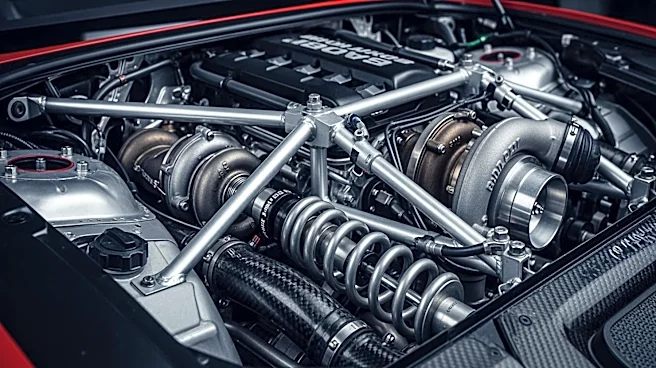
In touring car racing, competitors start with a standard car body, but virtually every other component may be heavily modified for racing. This includes engines, suspension, brakes, wheels, and tires. Aerodynamic aids are sometimes added to the front and rear of the cars to enhance performance. Despite these modifications, the cars must retain a resemblance to their production counterparts, which is a key aspect of the sport's appeal.
The regulations are designed to limit costs by banning some of the more exotic technologies available. For instance, many series insist on a control tire that all competitors must use, ensuring a level playing field. Additionally, some series employ ballast weight systems, where winning a race requires the winner's car to be heavier for subsequent races, further equalizing performance.
Engine and Performance Regulations
Touring car racing features a variety of engine regulations, depending on the series. For example, the World Touring Car Championship (WTCC) features 1.6-liter cars built to Super 2000 regulations based on FIA Group N. In 2011, the rules concerning engine capacity changed, switching from 2000 cc to 1600 cc turbo engines. Cars equipped with the old 2000 cc engines are still eligible in the championship.
The technical regulations often focus on cost control, with many technologies that have featured in production cars not allowed in racing. For example, variable valve timing, variable intake geometry, ABS braking, and traction control are typically prohibited. These restrictions help maintain the sport's competitive nature while keeping costs manageable for teams.
Balancing Performance and Competition
One of the key challenges in touring car racing is balancing performance across different vehicles and manufacturers. The sport employs various methods to achieve this, such as the Balance of Performance (BoP) adjustments. These adjustments ensure close racing between different vehicles by modifying factors like weight, power, and aerodynamics.
The BoP system is crucial in maintaining the sport's appeal, as it prevents any single manufacturer or team from dominating the competition. This focus on balanced performance is a defining characteristic of touring car racing, contributing to its reputation for close and exciting races.
Touring car racing's technical regulations and modifications are integral to the sport's identity. By balancing performance, controlling costs, and maintaining a connection to production cars, the sport continues to captivate fans and competitors alike. The technical side of touring car racing is a testament to the sport's commitment to fair and thrilling competition.