
Shavasana, or Corpse Pose, holds a special place in modern yoga practice. Often used for relaxation at the end of a session, it serves as a bridge between physical exertion and mental calm. This article
explores the importance of Shavasana in contemporary yoga, highlighting its role in promoting relaxation and meditation.
Shavasana as a Relaxation Tool
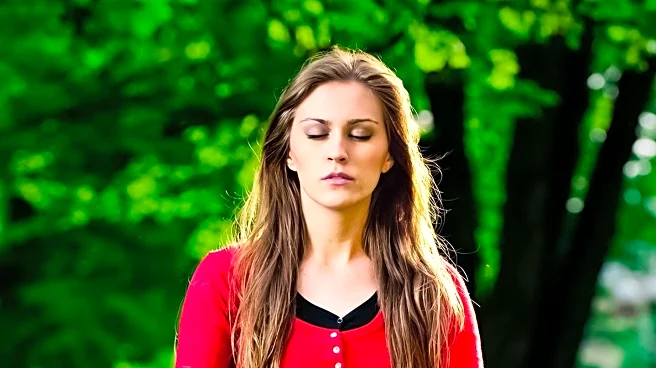
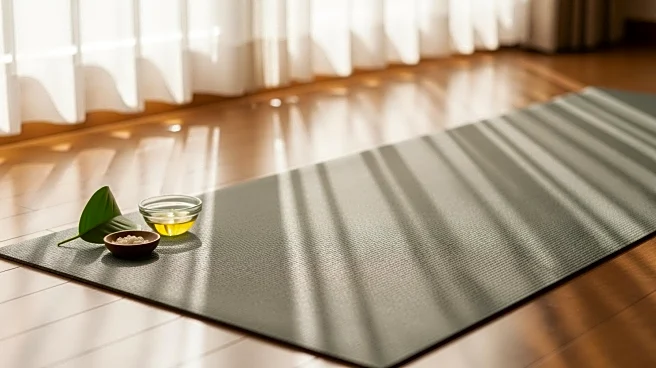
In modern yoga, Shavasana is typically practiced for 5 to 10 minutes at the end of an asana session, though it can be extended to 20 or 30 minutes for deeper relaxation. The pose involves lying on the back with legs spread as wide as the yoga mat and arms relaxed to the sides. With eyes closed, practitioners focus on the natural rise and fall of the chest and abdomen with each breath.
During Shavasana, the body is scanned for any muscular tension, which is consciously released. This process helps in achieving a state of complete relaxation, allowing the mind to let go of control over the breath and body. The simplicity of Shavasana belies its effectiveness in reducing stress and tension, making it a vital component of yoga practice.
Meditation and Mindfulness
Shavasana is not only a tool for physical relaxation but also a gateway to meditation and mindfulness. It is the usual pose for practicing yoga nidra, or yogic sleep, a form of guided meditation that leads practitioners into a state of deep relaxation and heightened awareness.
In Sivananda yoga, Shavasana is practiced not only for final relaxation but also before the session and between asanas. This frequent use underscores its importance in maintaining a balance between relaxation and meditation, two key components of yoga. By fostering a state of blissful neutrality, Shavasana allows practitioners to reflect on their practice and integrate its benefits into their daily lives.
Counteracting Drowsiness and Restlessness
While Shavasana is intended to promote calmness, some practitioners may experience drowsiness or restlessness of the mind. These challenges can be counteracted by increasing the rate and depth of breathing, which helps to maintain alertness and focus.
The transition out of Shavasana is equally important. The pose is released by slowly deepening the breath, flexing the fingers and toes, and stretching the whole body. Exhaling while bringing the knees to the chest and rolling over to the side in a fetal position prepares the body to push up into a seated position, completing the cycle of relaxation and readiness.
Shavasana's role in modern yoga practice is multifaceted, offering both physical and mental benefits. Its ability to rejuvenate the body, mind, and spirit makes it an essential part of yoga sessions, helping practitioners to achieve a state of tranquility and mindfulness.