
Resistance bands have become a staple in both fitness and rehabilitation settings due to their versatility and effectiveness. These elastic bands are not only used for strength training but also play a crucial
role in physical therapy, particularly for individuals recovering from muscular injuries. Their adaptability and ease of use make them an ideal choice for a wide range of exercises, catering to different fitness levels and rehabilitation needs.
Resistance Bands in Strength Training
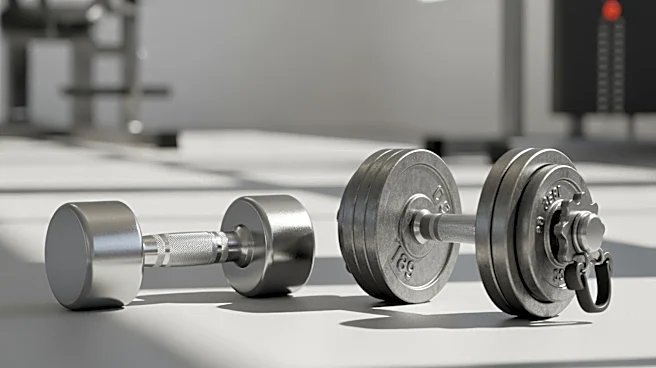
Resistance bands are widely used in strength training routines, offering a portable and flexible alternative to traditional weights. They come in various resistance levels, typically color-coded, allowing users to select the appropriate intensity for their workouts. This feature makes them suitable for both beginners and advanced fitness enthusiasts. The bands can be used to target different muscle groups, providing a comprehensive workout that can be easily adjusted by changing the band's resistance or the number of repetitions.
The bands' lightweight nature makes them an excellent choice for those who travel frequently, as they can be easily packed and used anywhere. This portability ensures that individuals can maintain their fitness routines without the need for bulky equipment. Additionally, resistance bands can be used in combination with other exercises, such as push-ups, to enhance the workout's intensity and effectiveness.
Role in Rehabilitation
In rehabilitation settings, resistance bands are invaluable tools for patients recovering from muscular injuries, including those undergoing cardiac rehabilitation. The bands allow for controlled, gradual rebuilding of strength, which is essential for safe recovery. Their elastic nature provides a gentle resistance that can be increased as the patient progresses, ensuring a tailored rehabilitation program that meets individual needs.
Therapy bands, a type of resistance band without handles, are particularly popular in rehabilitation. They offer a simple yet effective way to perform exercises that improve flexibility, strength, and range of motion. This adaptability makes them suitable for a wide range of rehabilitation exercises, from basic movements to more complex routines.
Types and Applications
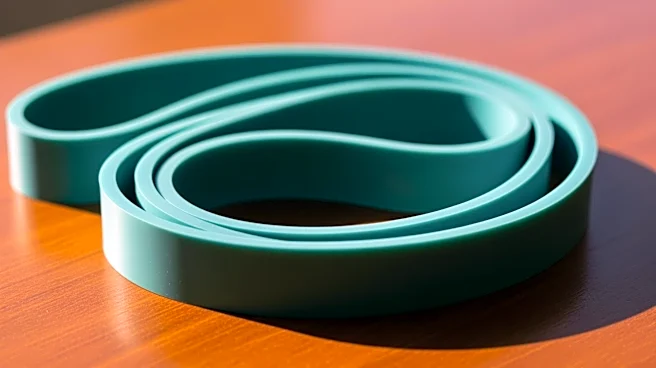
There are several types of resistance bands, each designed for specific applications. Compact resistance bands, with plastic handles, are ideal for both upper and lower body workouts. Flat loop bands, continuous flat loops, are often used for lower body exercises, while figure-8 bands, with two handles, are perfect for upper body routines. Ring resistance bands and lateral resistance bands, featuring ankle cuffs, are also available for targeted lower body exercises.
The variety of resistance bands ensures that users can find the right type for their specific needs, whether for fitness or rehabilitation. This diversity, combined with their ease of use and portability, makes resistance bands an essential tool in any exercise or rehabilitation program.