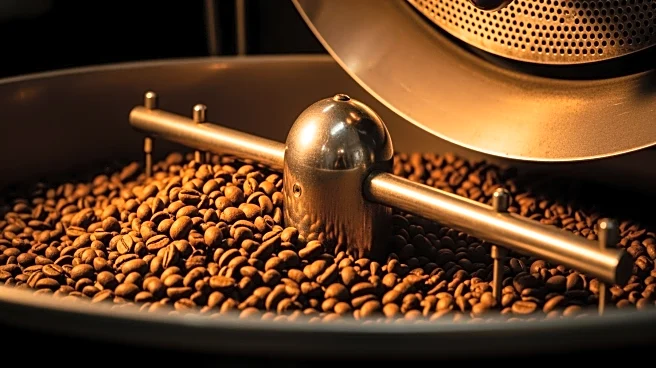




Coffee roasting is a fascinating process that transforms green coffee beans into the aromatic, flavorful beverage we know and love. This intricate procedure involves a series of chemical reactions that develop the characteristic taste of coffee. While the majority of coffee is roasted commercially, small-scale roasting has gained popularity among enthusiasts who seek to experiment with flavors and ensure freshness.
The Roasting Process
Roasting coffee beans is a complex
process that begins with sorting and cleaning the green beans. Once prepared, the beans are subjected to heat, which initiates a series of chemical changes. Initially, the process is endothermic, meaning the beans absorb heat. As the temperature rises to around 175°C (347°F), the process becomes exothermic, and the beans begin to heat themselves. This requires careful adjustment of the roaster's heat source to ensure optimal roasting.
During roasting, coffee beans lose 15 to 18% of their mass due to moisture loss and volatile compounds. Despite this weight loss, the beans double in size, becoming less dense. The sugars within the beans undergo caramelization, contributing to the coffee's flavor profile. The Maillard reaction, a chemical process that occurs during roasting, is responsible for the development of the coffee's aroma and taste.
Roasting Equipment and Techniques
Coffee roasting can be performed using various types of equipment, with drum and hot-air roasters being the most common. Drum roasters consist of horizontal rotating drums that tumble the beans in a heated environment, while hot-air roasters use forced heated air to lift and circulate the beans. Each method offers unique advantages and influences the final flavor of the coffee.
Roasters often use a combination of temperature, smell, color, and sound to monitor the roasting process. The beans undergo two distinct cracking sounds during roasting, known as the first and second cracks. These sounds indicate the beans' expansion and the development of their flavor profile. The degree of roast is determined by the color of the beans, which ranges from light to dark.
The Impact of Roasting on Flavor
The roasting process significantly impacts the flavor and aroma of coffee. Lighter roasts preserve the coffee's origin character, showcasing the unique flavors of the beans' growing region. As the roast darkens, the flavors created by the roasting process become more dominant, often overshadowing the beans' original characteristics.
Roasting also affects the coffee's body and acidity. Darker roasts tend to have a bolder flavor with less acidity, while lighter roasts offer a more complex taste with higher acidity. The choice of roast level is a matter of personal preference, with each offering a distinct coffee experience.