






The Eccles mine disaster stands as a somber chapter in the history of West Virginia's coal mining industry. Occurring on April 28, 1914, in Eccles, West Virginia, this catastrophic event claimed the lives of at least 180 miners, making it the second-worst mining disaster in the state's history. The explosion was triggered by a carbide lamp igniting coal gas, leading to a series of devastating explosions within the mine.
The Explosion and Its Immediate Impact
On the afternoon of April 28,
1914, at approximately 2:30 p.m., a series of massive explosions tore through the Eccles No. 5 mine. The initial blast was caused by the flame of a carbide lamp coming into contact with a pocket of coal gas. This initial ignition set off a chain reaction, igniting other pockets of gas throughout the mine. The force of the explosions was so great that it resulted in the deaths of at least 180 men and boys who were working in the mine at the time.
The disaster was a significant blow to the local community, as many families lost their primary breadwinners. The death toll was reported as 180 by the National Coal Heritage Trail, but other sources, such as a cemetery monument and county coroner records, list the number of victims as 183 and 186, respectively. Among the deceased was an insurance agent from Charleston, West Virginia, who had entered the mine shortly before the explosion to solicit business.
The Mine and Its Operations
The Eccles No. 5 mine, opened in 1905, was a significant operation in the region, mining West Virginia smokeless coal. It was owned by the New River Colliers Company, a Guggenheim family interest. The mine was served by the Chesapeake and Ohio and the Virginian Railway, which facilitated the transportation of coal. Like many mines in West Virginia at the time, the shafts not only accessed coal seams but also encountered pockets of natural gas, which posed a constant risk of explosion.
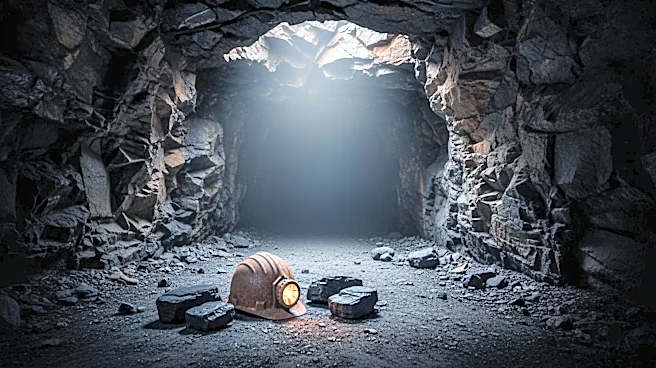
At the time of the disaster, few coal faces were illuminated by electricity. Instead, miners relied on helmets equipped with carbide lamps, which burned calcium carbide to produce flammable acetylene. This method of lighting, while common, was inherently dangerous, as evidenced by the tragic events at Eccles.
Aftermath and Legacy
In the wake of the disaster, the Eccles No. 5 mine resumed operations and continued to function until 1928. The coal seam it accessed continued to be mined from other shafts for many years. The disaster highlighted the dangers faced by miners and contributed to efforts to improve safety in the industry. It also played a role in the unionization efforts within the West Virginia coal fields, as workers sought better conditions and protections.
The Eccles Disaster Memorial stands as a tribute to the victims of the explosions, ensuring that their sacrifice is not forgotten. The disaster also influenced future safety regulations, including the eventual ban on the use of flammable carbide-acetylene lamps in U.S. coal mines, a change that was further spurred by a similar disaster in Illinois in 1932.