



William Kneass played a pivotal role in shaping the design and production of American currency during his tenure as Chief Engraver of the United States Mint. His innovative designs and technological advancements not only enhanced the aesthetic appeal of coins but also improved their production quality. This article explores Kneass's contributions to coin design and the lasting impact of his work.
The "Classic Head" and "Capped Bust" Designs
Kneass is best known for his "Classic Head" design,
which graced the gold quarter eagle and half eagle coins from 1834 to 1839. This motif was characterized by its elegant depiction of Liberty, which became a staple in American coinage. The design was widely appreciated for its artistic merit and helped establish a standard for future coin designs.
In addition to the "Classic Head," Kneass modified John Reich's "Capped Bust" design, which was used on coins ranging from the half dime to the half dollar between 1829 and 1837. These modifications included refining the details of Liberty's portrait and enhancing the overall composition of the coins. Kneass's work on these designs demonstrated his ability to blend artistry with functionality, ensuring that the coins were both visually appealing and practical for circulation.
Technological Advancements at the U.S. Mint
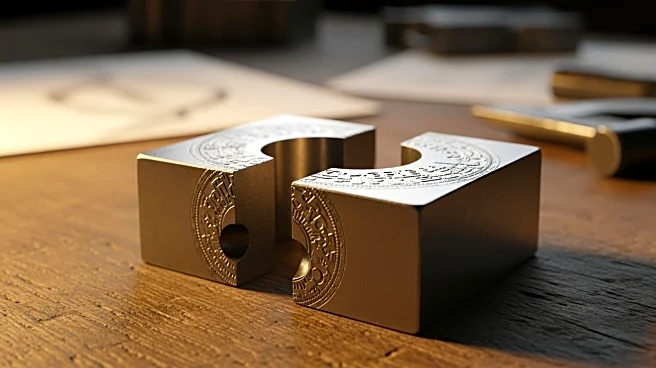
One of Kneass's significant contributions to the U.S. Mint was the introduction of a collar that standardized the diameter of coins. This innovation was crucial in preventing the expansion of coin blanks during minting, which had been a persistent issue. By ensuring uniformity in coin size, Kneass's collar improved the consistency and quality of U.S. currency.
Kneass's advancements in coin production also included the automation of placing reeds on a coin's edge, a process that enhanced the durability and security of coins. These technological improvements were instrumental in modernizing the minting process and set the stage for future innovations in coin production.
Legacy and Influence
William Kneass's impact on American coin design and production is evident in the enduring popularity of his designs and the technological advancements he introduced. His work laid the foundation for subsequent engravers, such as Christian Gobrecht, who continued to build on Kneass's legacy.
Kneass's designs and innovations have left a lasting mark on the numismatic world, influencing both the aesthetic and practical aspects of coinage. His ability to combine artistry with technological progress ensured that American currency remained both beautiful and functional, a testament to his skill and vision as an engraver.
Through his contributions, William Kneass helped shape the future of American coin design, leaving a legacy that continues to be celebrated by collectors and historians alike.